- (385) 365-0370
- 1888 S Redwood Rd,, Salt Lake City, UT 84104

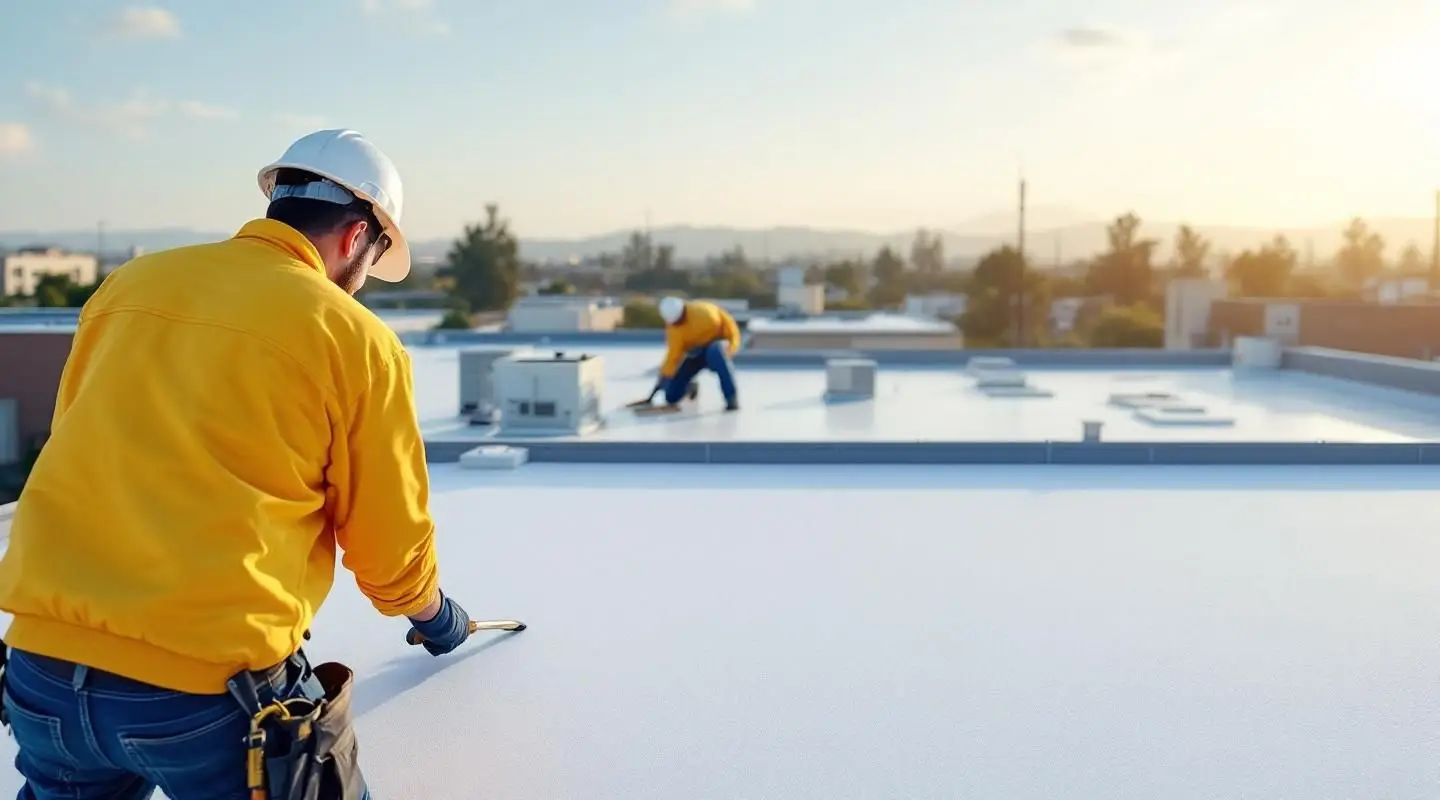
Managing a commercial property along the Wasatch Front means dealing with extreme weather shifts, from heavy winter snows to intense summer UV radiation. A standard roof simply won’t hold up without the right engineering. That is why a thermoplastic polyolefin membrane has become the preferred single-ply roofing choice for flat and low-slope commercial buildings in Salt Lake City. This material combines the durability of rubber with the performance of hot-air welded seams, creating a monolithic barrier that keeps weather out and operational costs down.
When planning a replacement or new install, you have to look beyond the surface. The process begins with a thorough evaluation of your existing roof deck substrate to determine if a complete tear-off is required or if a tapered insulation board is needed to correct ponding water. Depending on your building’s wind exposure and structural design, we might recommend a mechanically fastened TPO setup or a fully adhered system. We generally advise local building owners to specify a membrane thickness mil of at least 60-mil, or even 80-mil, to withstand the punishing high-altitude sun that degrades thinner 45-mil membranes prematurely.
The financial benefits of a reflective white membrane are substantial. By selecting an ENERGY STAR rated membrane with a high cool roof coefficient, you can significantly lower your building’s summer cooling loads. Our experienced technicians design these systems to meet strict local energy codes, ensuring your property remains compliant while actively reducing monthly utility bills.
Of course, a membrane is only as reliable as its weakest point. Most flat roof failures do not happen in the open field; they occur at parapet wall flashing and around rooftop HVAC penetrations. That is why we focus heavily on precision detailing, using specialized hot-air weld tools to create heat-welded seams. This creates a bond that is actually stronger than the membrane itself, preventing water from creeping in during the winter freeze-thaw cycles.
When you manage a commercial property along the Wasatch Front, your roof faces a brutal double-standard. It must withstand intense high-altitude UV rays all summer and survive punishing freeze-thaw cycles all winter. Installing a high-quality thermoplastic polyolefin membrane solves both issues at once. This single-ply roofing system features heat-welded seams that physically fuse the sheets together, creating a monolithic barrier that resists water intrusion far better than glued or taped alternatives. By opting for a reflective white membrane, you also dramatically lower your building’s cooling load during hot Utah summers.
We don’t believe in cutting corners on membrane thickness mil. While some budget contractors might specify a thin 45-mil sheet to win a low bid, our team always recommends a minimum of 60-mil or 80-mil TPO for long-term durability. This added thickness provides crucial puncture resistance against hail and maintenance traffic around your rooftop HVAC penetrations. When we lay down a fully adhered system or a mechanically fastened TPO setup over a properly sloped roof deck substrate, we ensure your building meets local energy codes while keeping your interior dry and your tenants happy.
Lower Utility Costs — The ENERGY STAR rated membrane reflects up to 80% of solar radiation, directly reducing your summer cooling bills.
Leak-Proof Seams — Our hot-air heat-welded seams are physically stronger than the membrane itself, preventing water from creeping between sheets.
UV and Ozone Resistance — Formulated to withstand high-altitude solar exposure without cracking, chalking, or degrading prematurely.
Ponding Water Defense — We install custom tapered insulation board systems to direct water toward drains, eliminating structural pooling issues.
Flexible Installation Options — Choose between a fully adhered system for high-wind areas or a mechanically fastened TPO setup to fit your budget.
A commercial thermoplastic polyolefin membrane typically lasts 15 to 25 years in Salt Lake City. However, our high-altitude UV exposure and intense Wasatch Front freeze-thaw cycles put immense stress on single-ply roofing. If you install a thin 45-mil membrane, the extreme temperature swings will degrade it much faster. We recommend specifying at least a 60-mil or 80-mil membrane thickness mil to ensure longevity. Proper installation of parapet wall flashing and robust heat-welded seams are critical. Without these, water will find its way under the system during the spring snowmelt, shortening the roof’s lifespan.
Pricing for TPO Roofing in Salt Lake City generally ranges from $6.00 to $12.00 per square foot, but several variables dictate the final bid. A mechanically fastened TPO system is the most cost-effective option for large warehouses. In contrast, a fully adhered system costs more in labor but offers superior wind-uplift resistance. If your current roof deck substrate has low spots, adding a tapered insulation board to correct ponding water will increase the upfront cost. Finally, we must take a core sample. Saturated insulation requires a complete tear-off, whereas dry systems might allow for a more affordable overlay.
Unlike older rubber roofs that rely on adhesive tape, TPO Roofing relies on heat-welded seams to create a monolithic barrier. Our crew uses specialized hot-air welding equipment to melt the top and bottom sheets together at temperatures exceeding 800 degrees. This process fuses the material at a molecular level, making the seam stronger than the membrane itself. This is especially vital around rooftop HVAC penetrations and complex flashing details where physical movement occurs. If a contractor rushes this step or uses incorrect speed settings, the seams will cold-weld and fail within a few seasons. You can learn more about how our team executes these precise installations on our company profile.
Any commercial TPO Roofing replacement in Salt Lake City requires a building permit issued by Salt Lake City Building Services. Local codes mandate that your new roof complies with current IECC energy standards, which often require specific R-value insulation. Additionally, the state requires any contractor performing this work to hold an active license with the Utah Division of Occupational and Professional Licensing (DOPL). We handle the entire permitting process, coordinate the mandatory mid-progress insulation inspections, and manage the final sign-off so your facility remains fully compliant with local municipal codes.
When you are managing a commercial property along the Wasatch Front, you cannot afford to ignore a failing low-slope roof. Our team at Blue Peak Roofing specializes in installing durable thermoplastic polyolefin membrane systems that stand up to Salt Lake City’s intense UV rays and heavy winter snows. We focus on precision detailing around parapet wall flashing and rooftop HVAC penetrations to ensure your building remains completely watertight.
Whether you need a core moisture scan to see if you qualify for a TPO overlay or require a complete tear-off down to the roof deck substrate, our experienced technicians are ready to provide a detailed, transparent scope of work. Contact us today to schedule a comprehensive roof condition assessment and secure your property for the seasons ahead.
When you invest in a single-ply roofing system for your commercial facility, you cannot afford to rely on a generic break-fix contractor or a national chain that flies in out-of-state crews. At Blue Peak Roofing, we approach every thermoplastic polyolefin membrane project with the localized expertise required to survive Utah’s extreme climate. As a fully licensed contractor holding a valid Utah DOPL license, we understand how the intense high-altitude UV rays and rapid freeze-thaw cycles along the Wasatch Front stress your roof deck substrate. We do not cut corners by using sub-standard materials; instead, we specialize in specifying the correct membrane thickness mil and designing custom tapered insulation board systems to prevent ponding water before it starts.
Our status as a manufacturer-authorized TPO applicator means your commercial investment is backed by real, enforceable warranties that national brokers simply cannot guarantee. We equip our experienced technicians with advanced hot-air welding tools to ensure every heat-welded seam is fused into a single, monolithic sheet. From detailing complex parapet wall flashing to sealing critical rooftop HVAC penetrations, our crews execute every step in-house. Blue Peak Roofing manages the entire process—including all local permitting and municipal inspections with Salt Lake City Building Services—so your facility team can focus entirely on your daily business operations.
A flat commercial roof is easy to ignore until water drips onto a tenant’s inventory or disrupts your active operations. In Salt Lake City, our extreme climate swings from blistering summer heat to heavy winter snow loads, putting immense stress on flat roof systems. Choosing a high-quality thermoplastic polyolefin membrane is not just about keeping water out; it is about choosing a system that can handle the Wasatch Front’s intense UV exposure and rapid temperature shifts. If you install a cheap, thin membrane or hire a crew that rushes the heat-welded seams, you are setting yourself up for premature splits, leaks around rooftop HVAC penetrations, and costly emergency repairs.
A properly installed single-ply roofing system acts as a shield that directly impacts your building’s operating costs. By choosing a reflective white membrane with a high cool roof coefficient, you can significantly lower your cooling bills during Utah’s hot summer months. This ENERGY STAR rated membrane reflects solar radiation away from the building, reducing the load on your rooftop HVAC units and helping you meet local IECC energy standards. Whether you specify a mechanically fastened TPO system for a standard deck or a fully adhered system for high wind-uplift resistance, getting the membrane thickness mil right—such as choosing a robust 60-mil or 80-mil sheet over a fragile 45-mil option—ensures your roof survives the physical wear of seasonal maintenance and heavy snow removal.
The membrane itself is only half the battle; the underlying roof deck substrate and drainage design dictate how long your system actually lasts. Without a professionally designed tapered insulation board system, ponding water will eventually degrade even the best thermoplastic polyolefin membrane and stress your parapet wall flashing. Our experienced technicians focus on these critical transition zones where most commercial flat roofs fail. By ensuring every curb, pipe boot, and flashing detail is hot-air welded to create a monolithic, leak-proof barrier, we prevent the slow water intrusion that rots wood decks or rusts steel structures from the inside out.
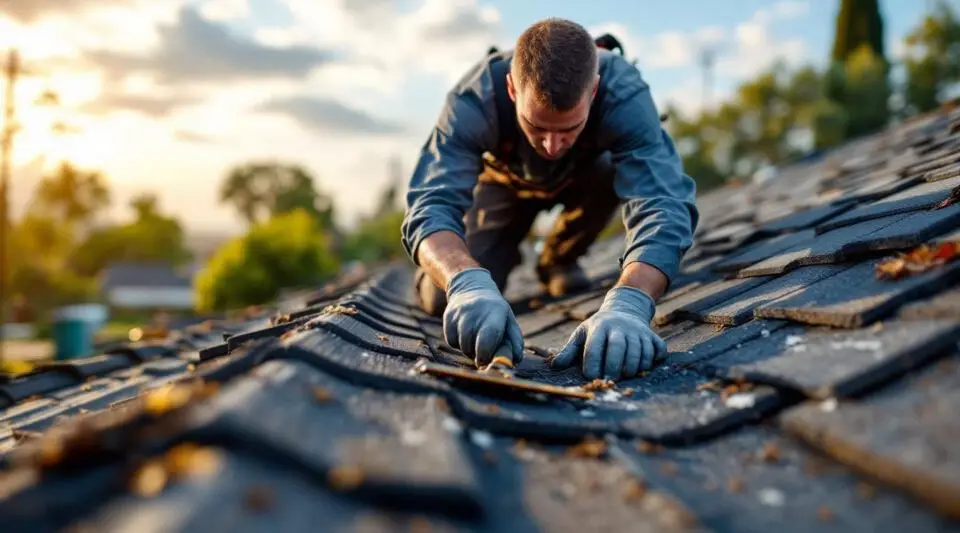
Commercial properties along the Wasatch Front face a brutal combination of weather extremes.
Learn more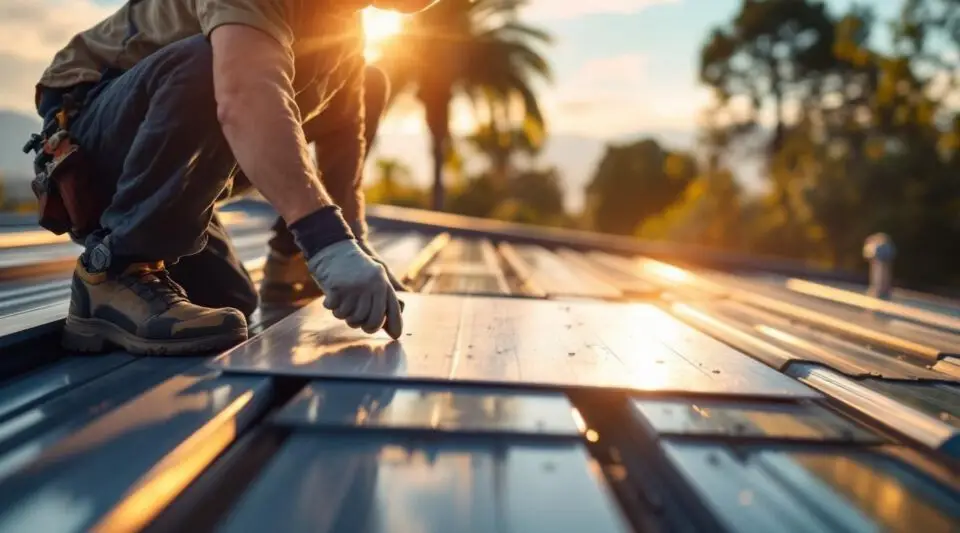
Commercial properties along the Wasatch Front face some of the most punishing weather cycles in the country.
Learn more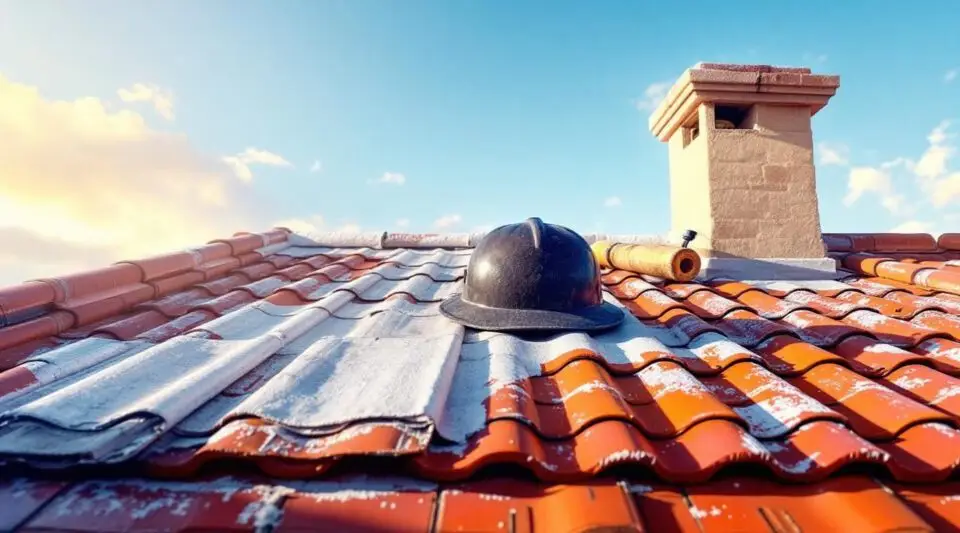
Commercial properties along the Wasatch Front demand roofing materials that deliver both commanding curb appeal and decades of uncompromising durability.
Learn more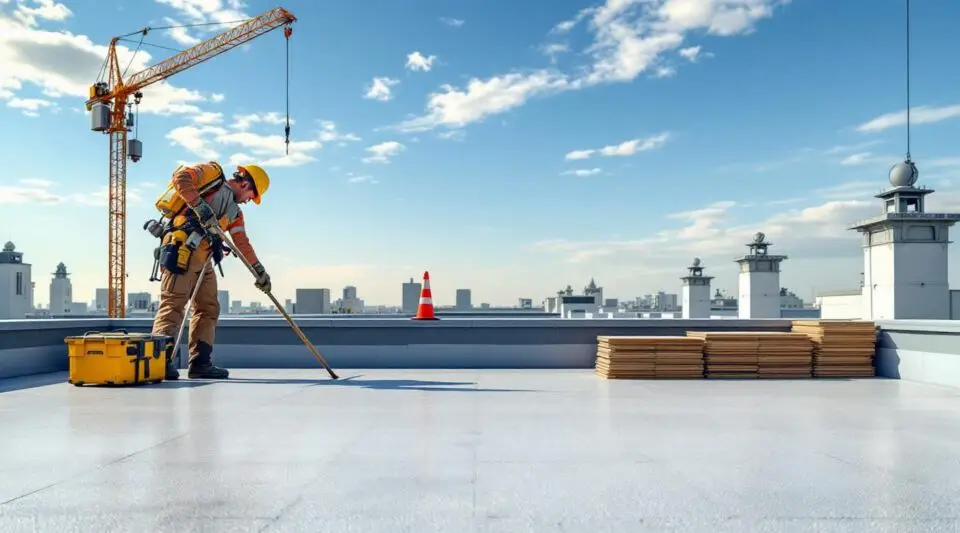
Commercial flat roofing along the Wasatch Front demands more than just a waterproof barrier; it requires a system engineered to survive intense high-altitude UV rays and dramatic seasonal temperature swings.
Learn more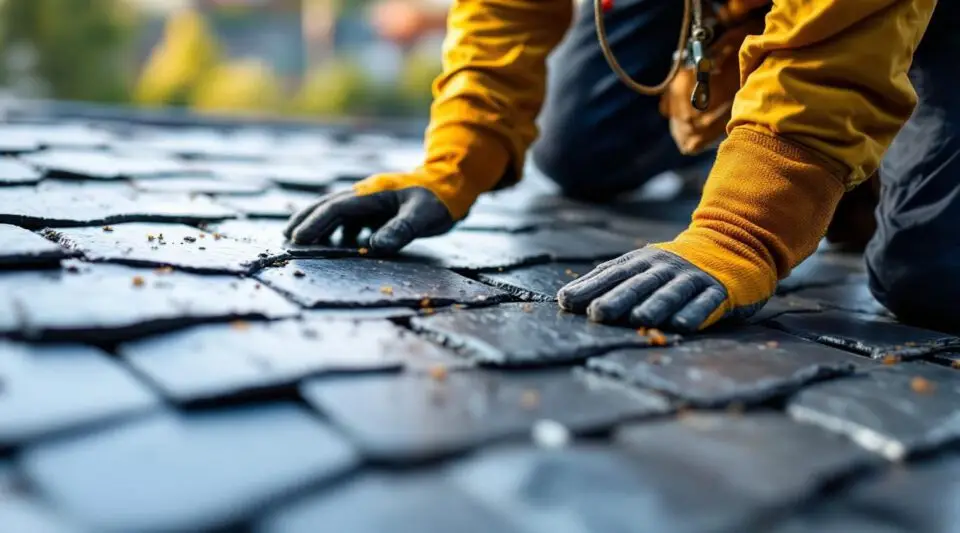
Commercial properties along the Wasatch Front face some of the most punishing climate extremes in the country.
Learn more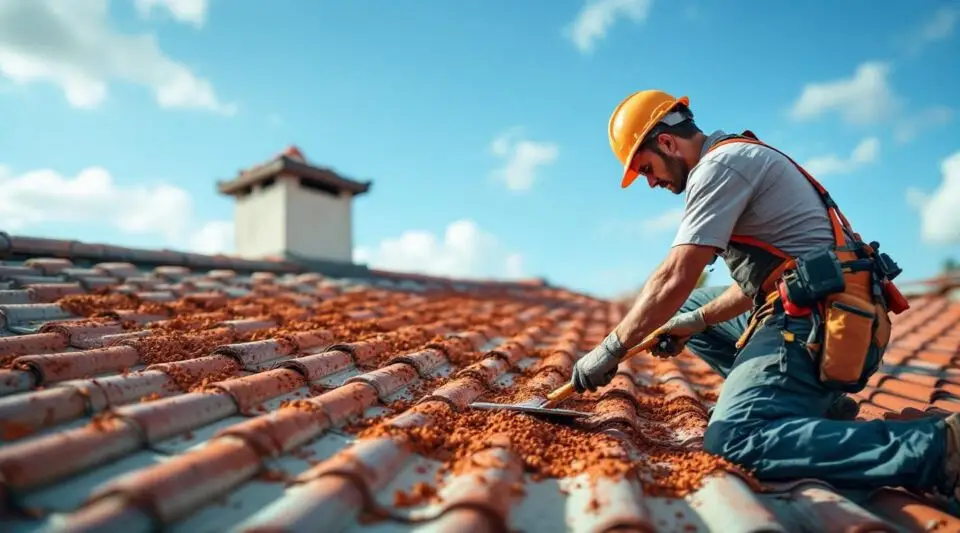
Commercial properties along the Wasatch Front face a brutal combination of intense high-altitude UV rays, heavy winter snows, and rapid temperature swings.
Learn more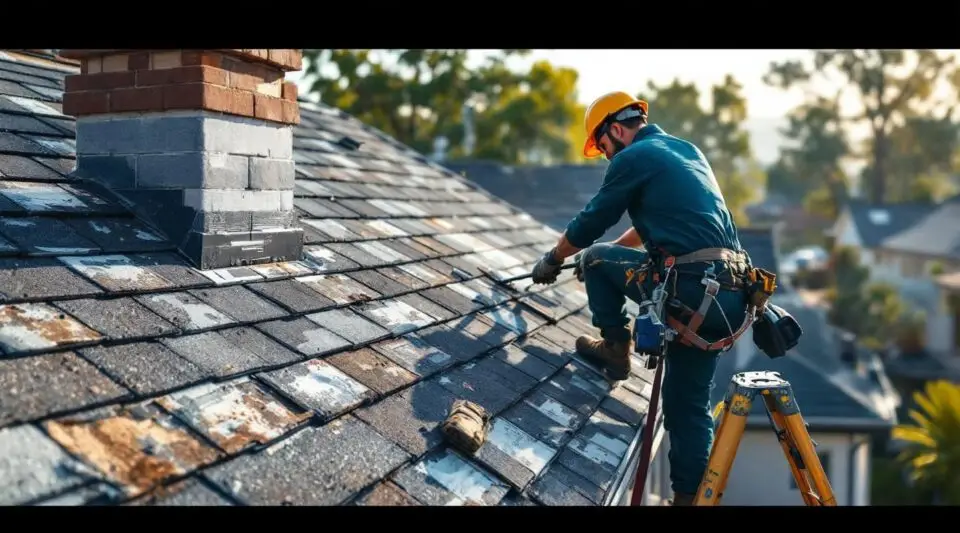
Managing a commercial facility along the Wasatch Front means dealing with extreme weather contrasts.
Learn more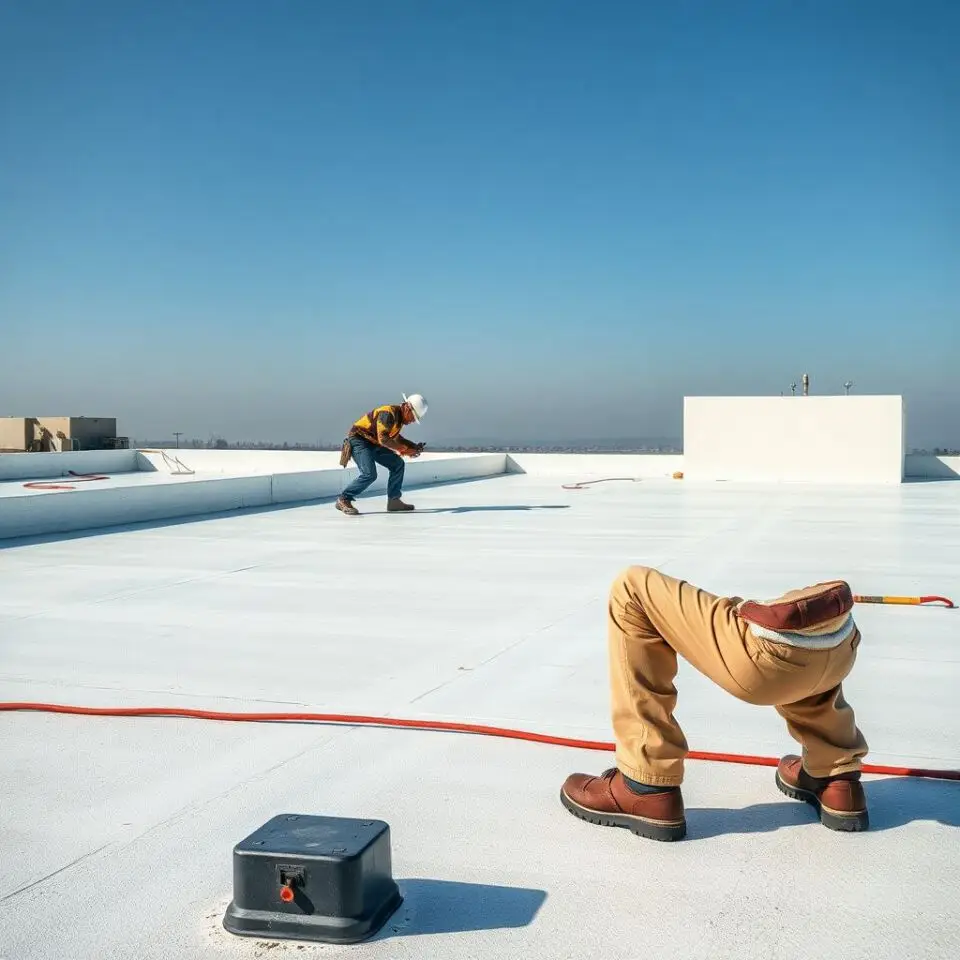
A leaking flat roof on a commercial building isn't just a minor maintenance headache; it's a direct threat to your inventory, equipment, and daily business operations.
Learn more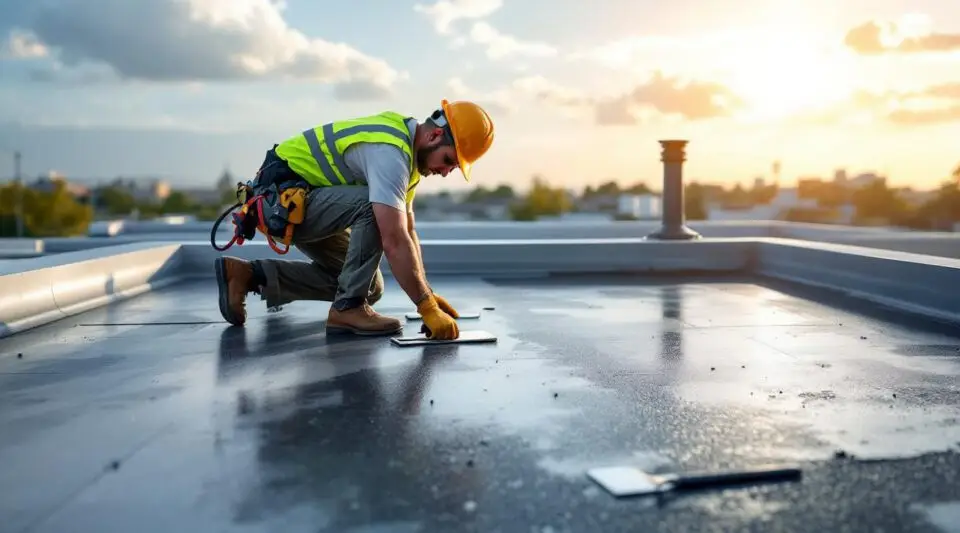
Low-slope commercial roofing along the Wasatch Front demands a material that can handle extreme temperature swings, intense high-altitude UV rays, and heavy winter snow loads.
Learn more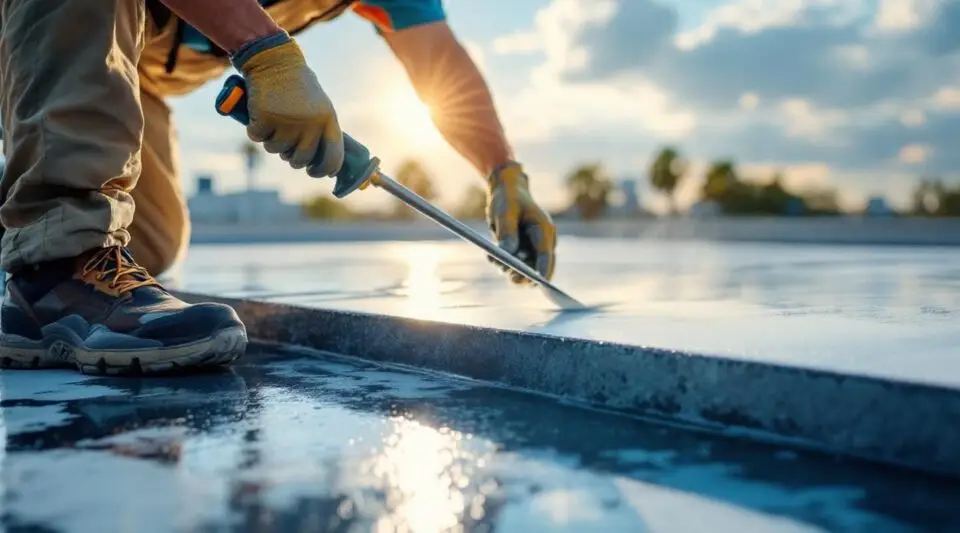
At 4,300 feet along the Wasatch Front, your building's roof takes a brutal beating.
Learn moreAfter getting a roof inspection, they recommended replacing the shingles. The job was done on time, and the new roof looks fantastic.
Angelia Eichelberger
This roofing company went above and beyond what I expected. They employed high-quality materials, kept us updated on the project's progress, and finished ahead of schedule. The new roof looks great, and I trust the work they did.
Debbie Land
We had an issue with our roof leaking at the office, and they came in, replaced the shingles, and fixed the damage. Professional and reliable.
Beatrice Taylor
We hired Santa Ana Roofing to fix our flat roof. They talked about the materials they used and made sure the sealing was done correctly. The process went well, and the results have stayed nice.
Linda Gregory
Santa Ana Roofing just put a new roof on our house. They gave a clear quote and a schedule that made sense. The workers worked hard every day and kept the job site clean. A professional put the roof on, and it looks great. Everything seemed easy and well-planned.
Anna Miller