- (385) 365-0370
- 1888 S Redwood Rd,, Salt Lake City, UT 84104

Commercial flat roofing along the Wasatch Front demands more than just a waterproof barrier; it requires a system engineered to survive intense high-altitude UV rays and dramatic seasonal temperature swings. In Salt Lake City, a poorly designed low-slope roofing system will quickly fail under the weight of heavy winter snow loads and rapid spring melts. Blue Peak Roofing provides high-performance single-ply membrane systems, including reflective TPO membrane and highly durable EPDM roofing, tailored specifically to each building’s structural needs and energy goals.
A successful installation begins long before the membrane is rolled out. Technicians meticulously inspect and prepare the roof deck substrate to ensure a perfectly stable foundation. From there, the design of custom tapered insulation systems guarantees proper slope-to-drain performance, eliminating the risk of ponding water that can void manufacturer warranties. Integrating a high-quality vapor barrier and optimizing roof drain placement protects commercial facilities from hidden moisture trap scenarios.
The real test of any flat roof installation lies in the details. Our crew focuses heavily on precision seam welding and robust parapet wall flashing to seal the most vulnerable entry points of your building. Whether we are installing a multi-layer modified bitumen system, traditional built-up roofing, or a modern reflective roof coating, we adhere strictly to the International Building Code low-slope provisions as adopted by Utah. We deliver a complete, code-compliant assembly designed to protect your commercial asset for decades.
Salt Lake City’s climate places immense stress on low-slope commercial properties. Between the blistering high-altitude summer UV rays bouncing off the Wasatch Range and the heavy winter snow loads, a standard roof simply won’t hold up. Choosing a professionally designed flat roof system means you are installing a durable shield. We focus on high-performance materials like single-ply TPO membrane and UV-stable EPDM roofing, ensuring your building stays dry and insulated year-round.
Proper drainage is the real secret to flat roofing longevity. Without a custom tapered insulation system, ponding water will inevitably collect, degrading your membrane and eventually voiding your manufacturer’s warranty. When you partner with our crew, we calculate precise slopes and optimize roof drain placement to move water off your deck substrate quickly. This proactive design prevents costly structural leaks before they can disrupt your daily business operations.
Beyond leak prevention, a modern flat roof acts as a powerful energy-saving asset. Reflective cool roof coatings and white TPO membranes bounce solar heat away from your facility, significantly lowering your cooling costs during Utah’s intense July heatwaves. It is a practical, long-term investment that protects your inventory, your tenants, and your bottom line.
TPO & EPDM Options — Select from highly reflective thermoplastic polyolefin or durable synthetic rubber to match your building's specific thermal demands.
Tapered Insulation Systems — Custom-sloped insulation boards eliminate low spots, preventing ponding water and protecting your manufacturer warranty.
Precision Seam Welding — We use hot-air welding on single-ply membranes to create a monolithic, leak-proof barrier that resists freeze-thaw cycles.
Lower Utility Bills — White reflective surfaces bounce harsh Wasatch Front UV rays away, reducing heat transfer and lowering summer cooling costs.
Certified Craftsmanship — Our technicians are trained to meet strict manufacturer standards, unlocking extended material and workmanship warranties.
In Salt Lake City, the intense high-altitude UV rays degrade low-slope roofing materials much faster than in sea-level cities. A standard single-ply TPO membrane typically lasts 15 to 22 years when properly installed. During a professional Flat Roof Installation, we focus heavily on seam welding. We use automated hot-air welders to fuse the sheets together. This creates a monolithic barrier that won’t peel apart when the summer sun beats down on your building. If you choose a thicker 60-mil or 80-mil membrane instead of the entry-level 45-mil option, you can easily push that lifespan toward the upper limit. Proper maintenance helps too.
Ponding water is the ultimate enemy of low-slope roofing. It usually happens because of sagging roof deck substrate or poor roof drain placement. During a Flat Roof Installation in Salt Lake City, we address this by designing a custom tapered insulation system. These sloped rigid foam boards direct rain and melting snow toward your scuppers and drains. If your building has structural settling, we replace damaged wood or steel decking before laying down the vapor barrier. This ensures a completely flat, code-compliant slope. Our experienced technicians carefully calculate the necessary pitch to prevent standing water from voiding your manufacturer warranty.
Yes, local building codes are strict. Salt Lake City requires a building permit for any commercial flat roof replacement or major structural alteration. You can review the current local guidelines on the official Salt Lake City Building Permits portal. When we handle your Flat Roof Installation, we manage the entire permitting process from start to finish. This includes submitting detailed plans for the tapered insulation layout and wind uplift calculations. City inspectors will typically need to sign off on the roof deck substrate prep before we roll out the single-ply membrane. We make sure everything complies with the International Building Code as adopted by Utah.
Both materials have distinct advantages for commercial properties along the Wasatch Front. White TPO membrane is highly reflective. It lowers cooling costs during our scorching July and August months by bouncing solar heat away from your building. On the other hand, EPDM roofing is a synthetic black rubber that handles Salt Lake City’s extreme winter freeze-thaw cycles exceptionally well because of its natural elasticity. For most retail and office spaces, TPO is the preferred choice for Flat Roof Installation due to energy savings. However, if your roof has high foot traffic or chemical exposure, a multi-layer modified bitumen system might be a more durable alternative.
It comes down to moisture and local building codes. Utah code allows a maximum of two roofing layers. If your building already has two systems installed, a complete tear-off is legally required before any new Flat Roof Installation in Salt Lake City can proceed. We also perform core sampling to check for trapped moisture in the existing insulation. If the insulation underneath is wet, covering it up will trap rot and destroy your new roof deck substrate. If the deck is dry and only one layer exists, we can often install a recovery board and a new single-ply membrane. This saves you significant labor and disposal costs.
Utah’s intense high-altitude UV exposure and heavy winter snow loads demand a low-slope roof designed for long-term endurance. Whether your facility requires a high-performance TPO membrane with heat-welded seams or a custom tapered insulation system to eliminate ponding water, our crew has the specialized training to get it done right. We coordinate closely with your facility managers to schedule work during off-peak hours, keeping business disruptions to an absolute minimum.
Don’t let minor seam failures turn into costly structural damage or voided manufacturer warranties. Contact us today to schedule a detailed on-site assessment of your building’s roof deck substrate, or browse all our services to see how we protect commercial investments throughout the Salt Lake City region.
Commercial flat roofing along the Wasatch Front demands more than basic construction knowledge. The intense high-altitude UV rays and extreme freeze-thaw cycles in Salt Lake City will quickly expose any shortcut taken during installation. At Blue Peak Roofing, we do not rely on temporary fixes or generic sub-contractors. Our crew consists of manufacturer-certified installers who specialize in low-slope roofing systems, ensuring your TPO membrane or EPDM system is installed to strict ASTM performance standards. From precise seam welding to custom tapered insulation layouts that prevent ponding water, we build systems designed to last.
We are a locally owned business holding a valid Utah DOPL contractor license, meaning we understand the specific building codes and permitting requirements of Salt Lake County. When you partner with our team, you bypass the bureaucratic delays of national chains and the unreliable results of general handymen. Blue Peak Roofing provides transparent, line-item bids that detail everything from the roof deck substrate preparation to parapet wall flashing and roof drain placement. We protect your investment with robust workmanship warranties backed by our direct manufacturer certifications, giving your business real long-term security.
A flat roof along the Wasatch Front isn’t just a cover; it is a highly engineered drainage basin that must withstand extreme climate shifts. In Salt Lake City, commercial properties face intense high-altitude UV rays all summer, followed by heavy snow loads and relentless freeze-thaw cycles in the winter. If a low-slope roofing system is poorly designed, minor issues quickly escalate. Water pooling on a single-ply membrane can degrade seams, stress the roof deck substrate, and eventually seep into valuable inventory or office space. Investing in a robust TPO membrane or a durable EPDM roofing system ensures the structure remains dry and structurally sound through every season.
The real danger of a subpar installation lies in what you cannot see from the ground. Without proper tapered insulation, water cannot migrate toward your scuppers, leading to chronic ponding water that voids manufacturer warranties. Over time, that standing water softens the underlying roof deck substrate, inviting rot and structural sagging. When our team designs a flat roof, we prioritize precise roof drain placement and flawless parapet wall flashing. We use hot-air seam welding for TPO and heavy-duty adhesives for modified bitumen or multi-layer built-up roofing to create an impenetrable barrier. This meticulous approach prevents premature system failure and keeps your operational costs predictable.
Beyond simple leak prevention, a professionally installed flat roof directly impacts a building’s energy footprint. Applying a highly reflective roof coating or installing a cool TPO single-ply membrane bounces harsh Utah sunlight away from the property, lowering cooling costs during scorching July afternoons. A properly sealed vapor barrier also prevents internal humidity from condensing inside the roof assembly, protecting the insulation’s R-value. By choosing the right materials and ensuring code-compliant slope design, commercial owners secure a roof that easily meets local building codes and keeps operations running without interruption.
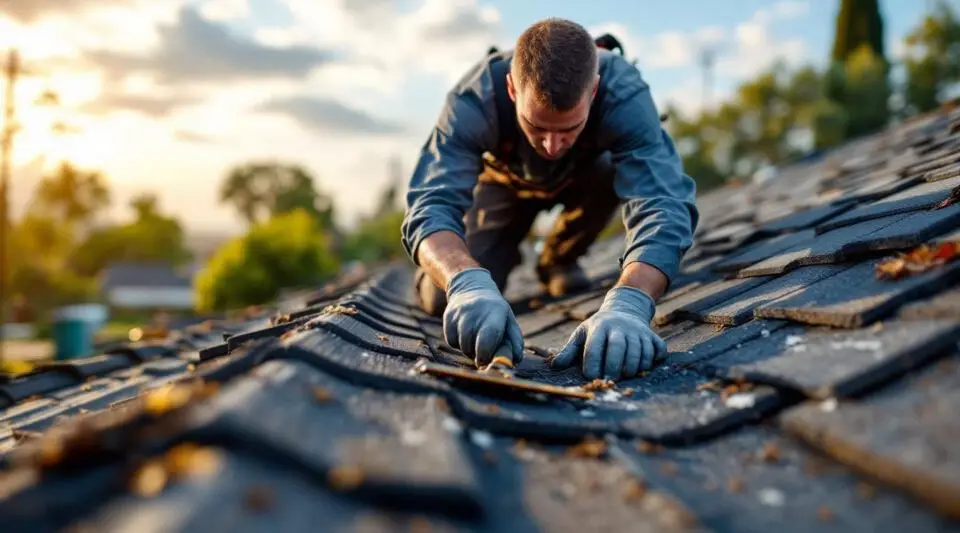
Commercial properties along the Wasatch Front face a brutal combination of weather extremes.
Learn more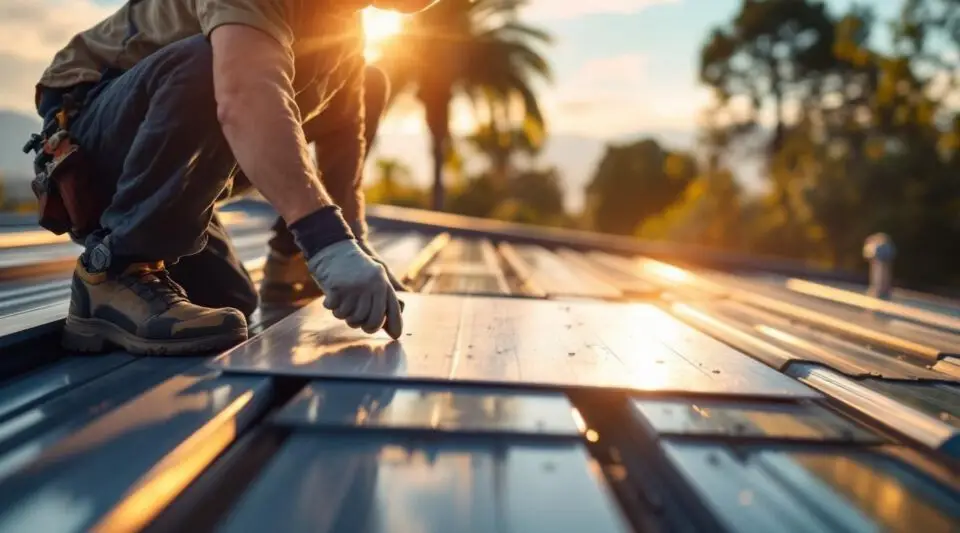
Commercial properties along the Wasatch Front face some of the most punishing weather cycles in the country.
Learn more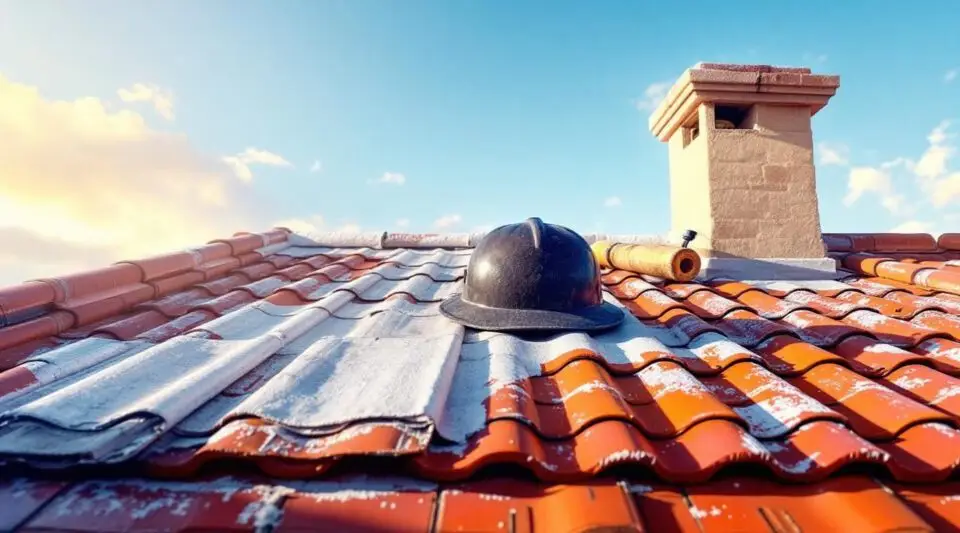
Commercial properties along the Wasatch Front demand roofing materials that deliver both commanding curb appeal and decades of uncompromising durability.
Learn more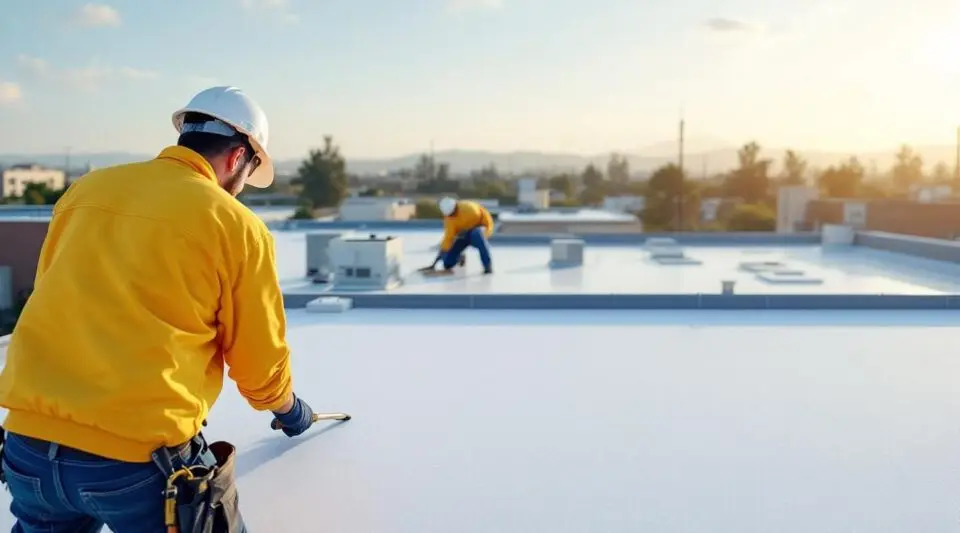
Managing a commercial property along the Wasatch Front means dealing with extreme weather shifts, from heavy winter snows to intense summer UV radiation.
Learn more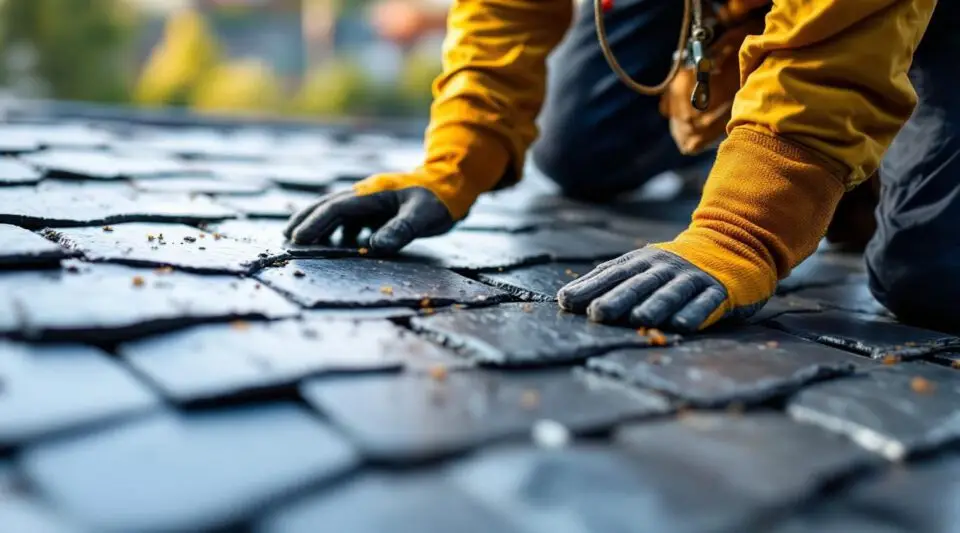
Commercial properties along the Wasatch Front face some of the most punishing climate extremes in the country.
Learn more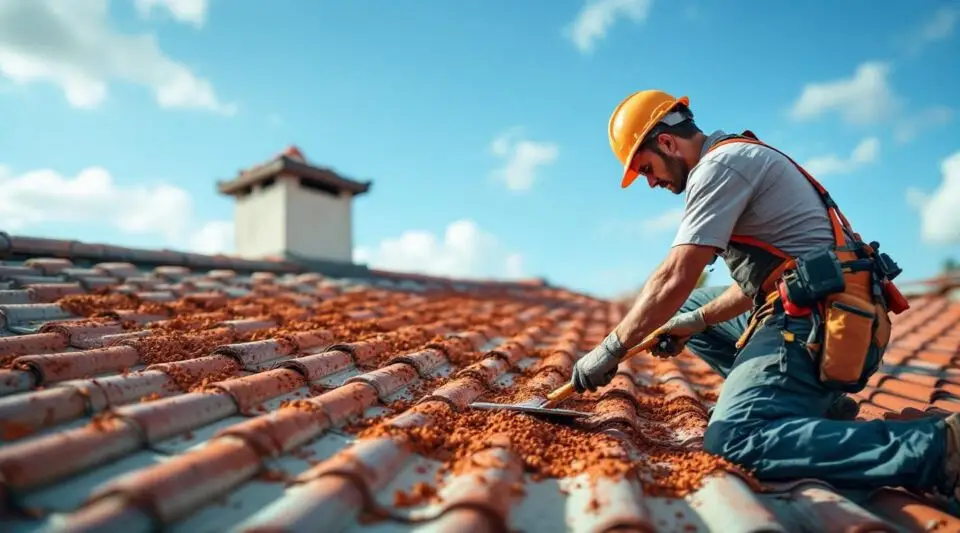
Commercial properties along the Wasatch Front face a brutal combination of intense high-altitude UV rays, heavy winter snows, and rapid temperature swings.
Learn more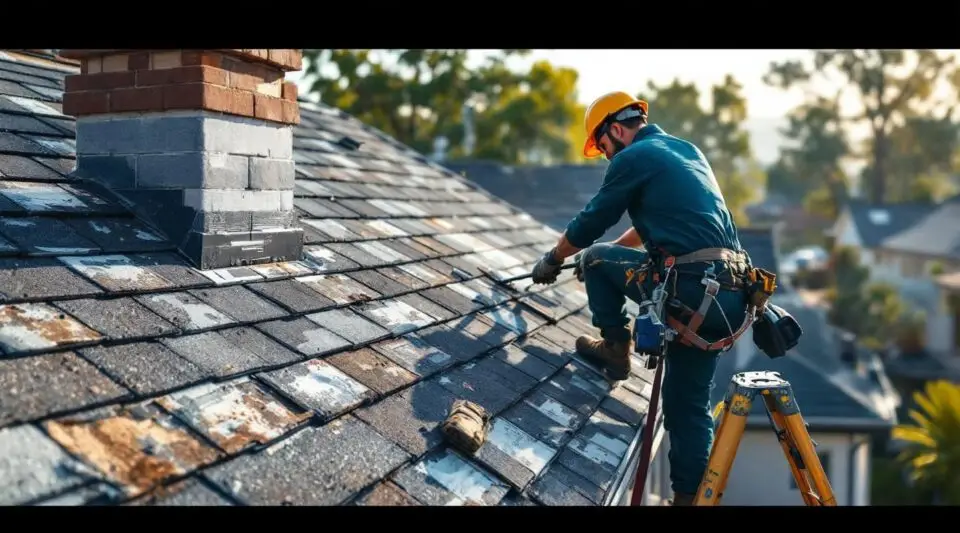
Managing a commercial facility along the Wasatch Front means dealing with extreme weather contrasts.
Learn more
A leaking flat roof on a commercial building isn't just a minor maintenance headache; it's a direct threat to your inventory, equipment, and daily business operations.
Learn more
Low-slope commercial roofing along the Wasatch Front demands a material that can handle extreme temperature swings, intense high-altitude UV rays, and heavy winter snow loads.
Learn more
At 4,300 feet along the Wasatch Front, your building's roof takes a brutal beating.
Learn moreAfter getting a roof inspection, they recommended replacing the shingles. The job was done on time, and the new roof looks fantastic.
Angelia Eichelberger
This roofing company went above and beyond what I expected. They employed high-quality materials, kept us updated on the project's progress, and finished ahead of schedule. The new roof looks great, and I trust the work they did.
Debbie Land
Santa Ana Roofing just put a new roof on our house. They gave a clear quote and a schedule that made sense. The workers worked hard every day and kept the job site clean. A professional put the roof on, and it looks great. Everything seemed easy and well-planned.
Anna Miller
We had an issue with our roof leaking at the office, and they came in, replaced the shingles, and fixed the damage. Professional and reliable.
Beatrice Taylor
We hired Santa Ana Roofing to fix our flat roof. They talked about the materials they used and made sure the sealing was done correctly. The process went well, and the results have stayed nice.
Linda Gregory