- (385) 365-0370
- 1888 S Redwood Rd,, Salt Lake City, UT 84104

Commercial properties along the Wasatch Front face a brutal combination of intense high-altitude UV rays, heavy winter snows, and rapid temperature swings. For many local business owners, a commercial clay tile roof is the ultimate shield against these elements. Unlike lightweight materials that degrade under constant exposure, a premium terra cotta tile or concrete roof tile system offers unmatched durability. However, success depends entirely on what lies beneath the surface, starting with a rigorous assessment of your building’s dead load capacity.
When experienced technicians from Blue Peak Roofing evaluate your property, we look at the entire assembly. We install a high-grade underlayment membrane directly to the deck to prevent moisture intrusion during winter ice damming. From there, we secure heavy-duty tile battens to create a stable grid for the interlocking tile system. This structural precision ensures your roof achieves maximum freeze-thaw resistance, preventing the cracking and shifting that often plagues poorly installed tile roofs in Salt Lake City.
Every detail matters on a commercial structure. We pay close attention to flashing at penetrations—such as heavy HVAC curbs and parapet walls—where leaks most commonly start. Our team uses a robust mortar-set ridge cap system to seal the highest points of your roof against high winds. Beyond leak protection, these systems provide a Class A fire rating and use cool roof thermal mass to lower your summer cooling costs, making them an incredibly smart long-term investment.
Whether you need a brand-new installation requiring roof deck reinforcement or a targeted tile roof restoration to extend the life of an existing structure, we deliver clear, engineered solutions. We work closely with leading manufacturers to ensure every project qualifies for a full manufacturer tile warranty. We do not believe in cutting corners or offering generic estimates; instead, we provide detailed, itemized bids that explain exactly how we protect your commercial investment for the next fifty years.
Commercial properties along the Wasatch Front demand roofing systems that do more than just shed rain. A clay tile roof brings an extraordinary blend of historical prestige and structural permanence to your commercial building. By using high-density terra cotta tile or concrete roof tile, you establish a barrier that shrugs off intense high-altitude UV rays and heavy winter snow loads. These interlocking tile system layouts create a natural drainage plane, protecting your underlying structure from the harsh mountain elements.
One of the most significant advantages for local businesses is the cool roof thermal mass inherent in clay. Instead of absorbing heat and radiating it into your facility, these tiles insulate your building naturally, driving down summer cooling costs. Our team of certified installers works closely with structural engineers to assess your building’s dead load capacity, ensuring your roof deck reinforcement is fully rated for the weight before we secure the tile battens. This meticulous prep work ensures your system is backed by a robust manufacturer tile warranty that protects your capital investment for decades.
LIFECYCLE ECONOMICS — A genuine terra cotta tile installation can easily exceed a century of service, making its long-term cost of ownership far lower than single-ply membranes.
FREEZE-THAW RESISTANCE — Engineered to withstand Salt Lake City's severe winter-to-summer temperature swings without cracking, spalling, or losing structural integrity.
CLASS A FIRE RATING — Non-combustible clay provides the highest level of fire protection available, which can significantly lower your commercial property insurance premiums.
THERMAL EFFICIENCY — The natural air circulation beneath the tile battens combined with high thermal mass keeps your facility cooler during hot Utah summers.
STRUCTURAL SECURITY — Every installation includes a detailed dead load capacity assessment and precise flashing at penetrations to prevent chronic leaks around commercial HVAC units.
For a commercial property in Salt Lake City, Clay Tile Roofing is a premium investment that generally runs significantly higher than single-ply membranes. Your final bid depends on whether your structure requires roof deck reinforcement to support the heavy dead load capacity of the tiles. Additionally, the cost is driven by the complexity of your roofline, the type of tile battens used, and the detailed flashing at penetrations like commercial HVAC units. Because of these variables, we provide detailed, project-specific proposals rather than broad square-foot estimates. This ensures we account for every engineering requirement and local building code detail up front.
Generally, clay tiles require a minimum slope of 21 degrees (4:12 pitch) to shed water properly. If your commercial building has a low-slope or flat roof, standard Clay Tile Roofing is not recommended without extensive structural modifications. For sloped sections, we must first verify your building’s dead load capacity. If the structure cannot support the weight, we engineer a plan for roof deck reinforcement. We then install a high-grade, self-adhering underlayment membrane and an interlocking tile system to prevent water intrusion. You can check local structural and zoning codes through the Salt Lake City Building Services portal to see what structural reviews your specific property will trigger.
Yes, high-quality clay tiles are built to survive the Wasatch Front’s harsh climate. However, you must select tiles with verified freeze-thaw resistance that meet ASTM C1167 standards. In Salt Lake City, the rapid temperature swings can easily crack low-grade materials that absorb water. Our commercial Clay Tile Roofing installations feature a Class A fire rating and are engineered to handle heavy mountain snow loads. To prevent winter damage, we recommend annual inspections to check the mortar-set ridge cap and ensure no tiles have slipped or cracked during the freeze-thaw cycles.
The primary difference lies in composition, lifespan, and weight. True terra cotta tile is made from baked clay, offering exceptional color retention and a lifespan that easily exceeds 100 years. Concrete roof tile is made from a mixture of sand, cement, and water; it is highly durable but can fade over decades. Both options provide excellent cool roof thermal mass, which lowers your summer cooling bills in our high-desert climate. When you browse our services, you will find options for both materials, each backed by a robust manufacturer tile warranty and our skilled local installation team.
A premium interlocking tile system is a serious capital investment, but it is also the last roof your building will ever need. Before we order a single terra cotta tile, we will work directly with structural engineers to verify your building’s dead load capacity and determine if any roof deck reinforcement is required for a safe, code-compliant installation.
Don’t leave your property’s long-term protection to guesswork. Contact our team today to schedule a comprehensive structural evaluation and receive an itemized, transparent commercial proposal tailored to Salt Lake City’s unique climate demands.
Commercial clay tile installation requires more than standard roofing knowledge; it demands precise structural engineering awareness and deep familiarity with heavy materials. At Blue Peak Roofing, we do not treat clay tile as a sideline product. Our crew is specifically trained in Tile Roofing Institute guidelines, ensuring that every interlocking tile system we lay down is built to handle the unique dead load capacity of your commercial building. We coordinate directly with structural engineers to verify your roof deck reinforcement before we load a single terra cotta tile, preventing structural sagging and protecting your asset from day one.
Unlike national chains that subcontract labor to the lowest bidder, we are a locally owned business with deep roots along the Wasatch Front. We understand how Salt Lake City’s intense freeze-thaw cycles and winter snow loads impact mortar-set ridge caps and underlayment membranes. That is why our experienced technicians use high-grade ASTM C1167 clay tiles and premium self-adhering membranes that resist UV degradation at high altitudes. When you partner with Blue Peak Roofing, you get direct communication with our local project managers, transparent itemized quotes, and a team that holds an active Utah DOPL roofing contractor license.
Salt Lake City sits at 4,300 feet. Here, the UV rays are brutal and winter weather demands high freeze-thaw resistance to prevent premature cracking. If you install a low-grade roof on a commercial asset, you will pay for it in constant repairs. A premium interlocking tile system made of terra cotta tile or high-density concrete roof tile provides an incredibly tough shield. These materials offer a Class A fire rating and natural cool roof thermal mass, which keeps your cooling bills down when the summer heat bakes the valley. But this only works if the system is engineered correctly from the deck up.
Weight is the elephant in the room. A clay tile roof is heavy. Before we lay a single piece, we evaluate your building’s dead load capacity to determine if roof deck reinforcement is required under Salt Lake City building codes. We also focus heavily on the underlayment membrane. Because UV light at high altitude degrades materials fast, we use robust, high-temp self-adhering membranes rather than cheap felt. If your contractor skips this step or uses substandard tile battens, water will eventually bypass the tiles and rot your decking. Our experienced technicians ensure every layer meets ASTM C1167 standards.
Details prevent disasters. We often see commercial buildings with leaking HVAC curbs because a previous roofer rushed the flashing at penetrations. Clay tile requires specialized flashing and secure mortar-set ridge cap installations to prevent wind uplift and water intrusion. When you invest in a proper tile roof restoration or new installation, you are buying a 50-to-100-year lifecycle. That long-term performance completely offsets the higher upfront cost compared to single-ply membranes. Regular maintenance keeps your manufacturer tile warranty fully intact, protecting your investment for decades.
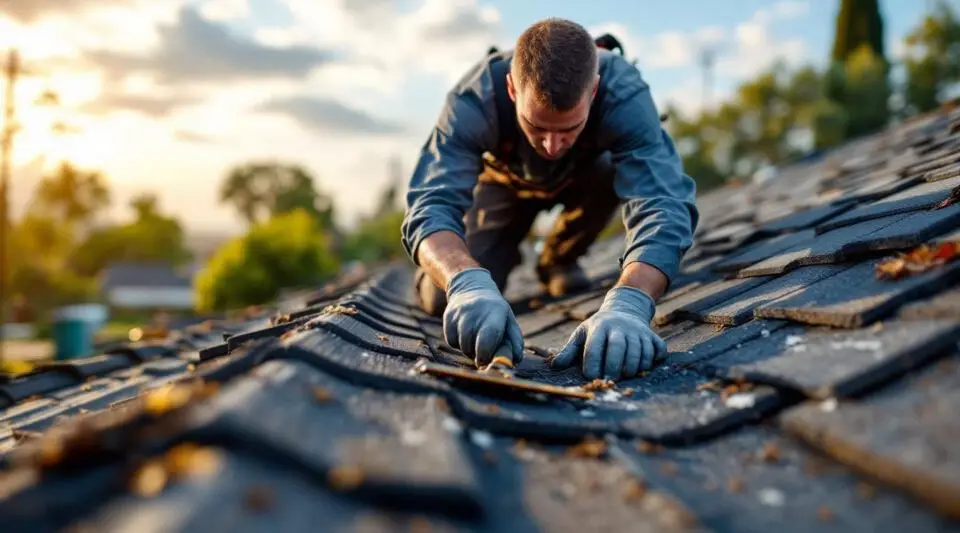
Commercial properties along the Wasatch Front face a brutal combination of weather extremes.
Learn more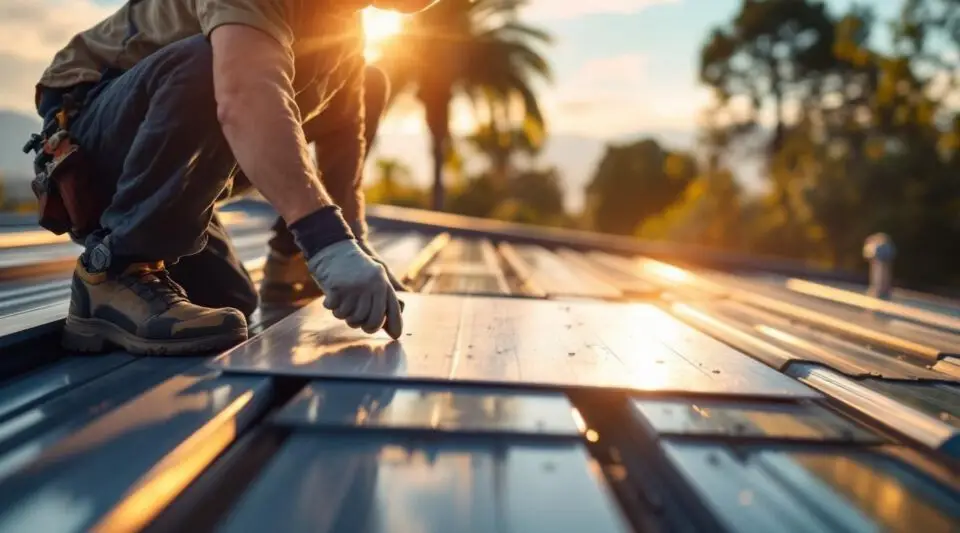
Commercial properties along the Wasatch Front face some of the most punishing weather cycles in the country.
Learn more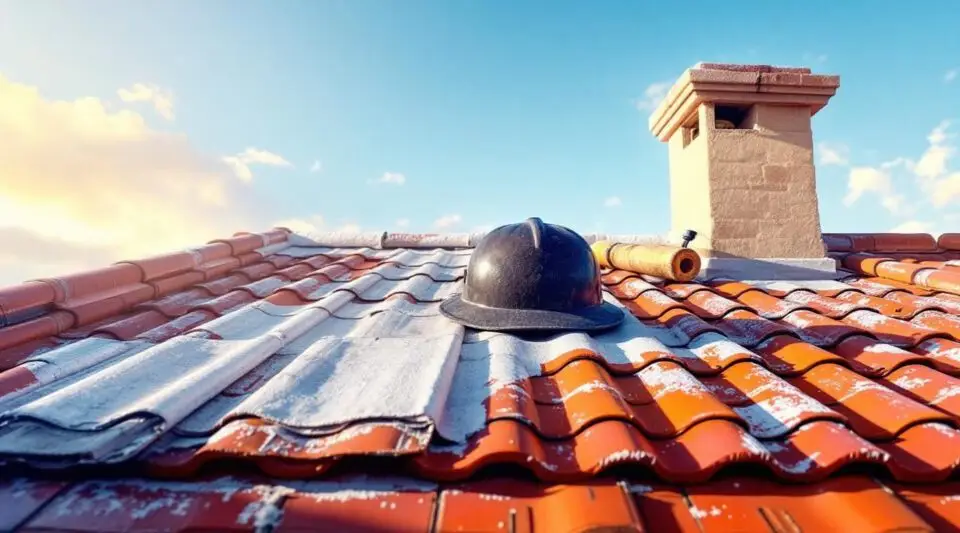
Commercial properties along the Wasatch Front demand roofing materials that deliver both commanding curb appeal and decades of uncompromising durability.
Learn more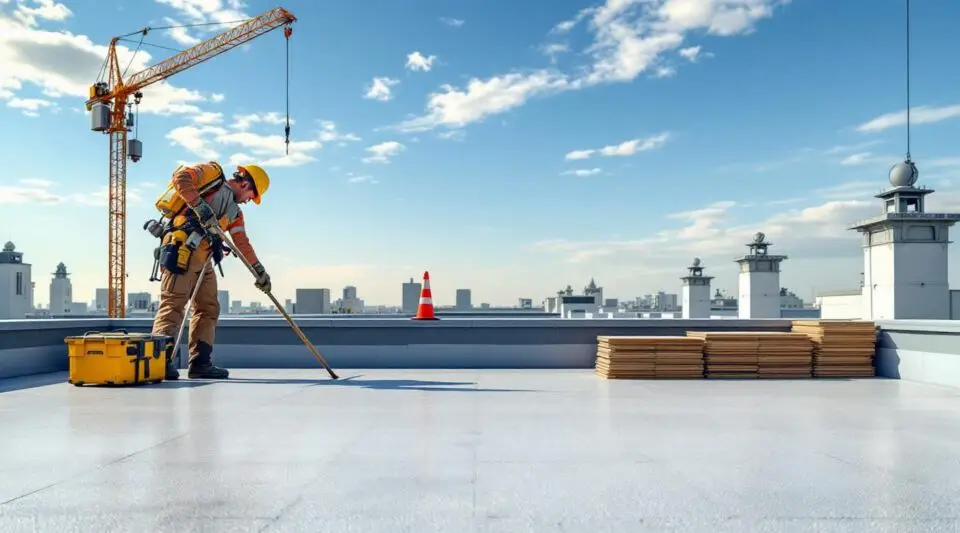
Commercial flat roofing along the Wasatch Front demands more than just a waterproof barrier; it requires a system engineered to survive intense high-altitude UV rays and dramatic seasonal temperature swings.
Learn more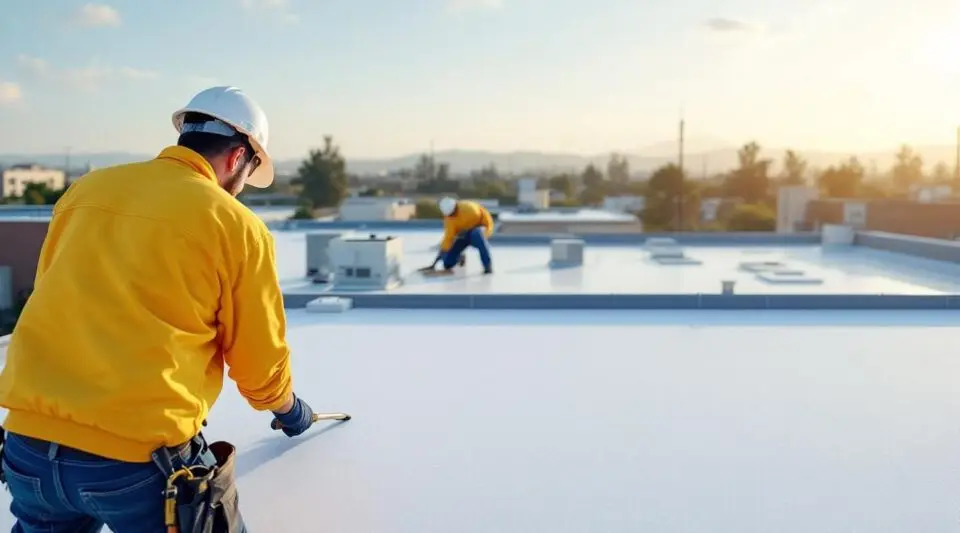
Managing a commercial property along the Wasatch Front means dealing with extreme weather shifts, from heavy winter snows to intense summer UV radiation.
Learn more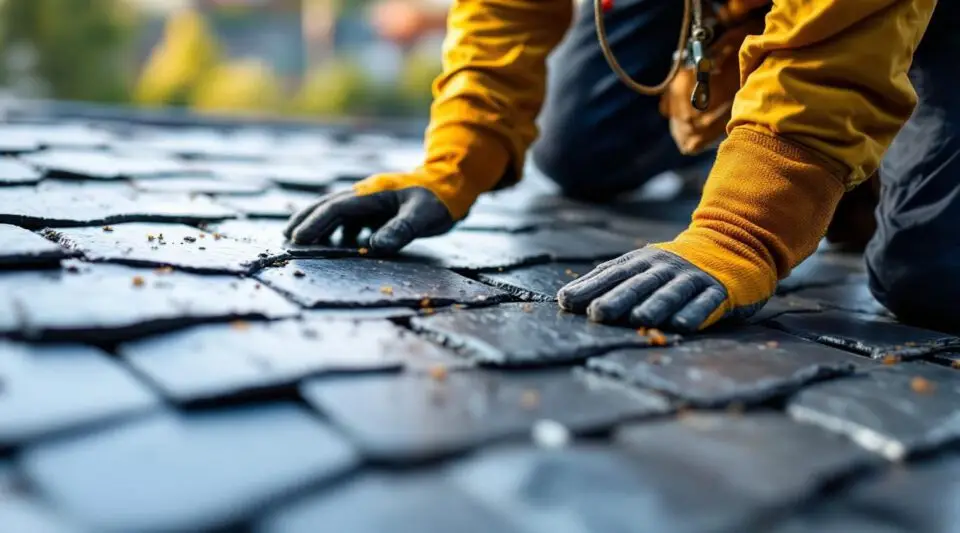
Commercial properties along the Wasatch Front face some of the most punishing climate extremes in the country.
Learn more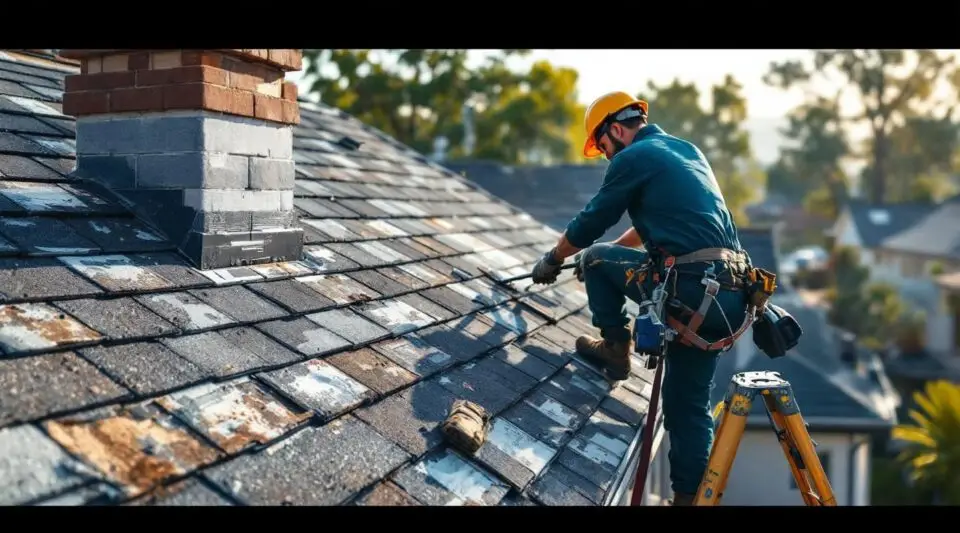
Managing a commercial facility along the Wasatch Front means dealing with extreme weather contrasts.
Learn more
A leaking flat roof on a commercial building isn't just a minor maintenance headache; it's a direct threat to your inventory, equipment, and daily business operations.
Learn more
Low-slope commercial roofing along the Wasatch Front demands a material that can handle extreme temperature swings, intense high-altitude UV rays, and heavy winter snow loads.
Learn more
At 4,300 feet along the Wasatch Front, your building's roof takes a brutal beating.
Learn moreWe hired Santa Ana Roofing to fix our flat roof. They talked about the materials they used and made sure the sealing was done correctly. The process went well, and the results have stayed nice.
Linda Gregory
After getting a roof inspection, they recommended replacing the shingles. The job was done on time, and the new roof looks fantastic.
Angelia Eichelberger
This roofing company went above and beyond what I expected. They employed high-quality materials, kept us updated on the project's progress, and finished ahead of schedule. The new roof looks great, and I trust the work they did.
Debbie Land
Santa Ana Roofing just put a new roof on our house. They gave a clear quote and a schedule that made sense. The workers worked hard every day and kept the job site clean. A professional put the roof on, and it looks great. Everything seemed easy and well-planned.
Anna Miller
We had an issue with our roof leaking at the office, and they came in, replaced the shingles, and fixed the damage. Professional and reliable.
Beatrice Taylor