- (385) 365-0370
- 1888 S Redwood Rd,, Salt Lake City, UT 84104

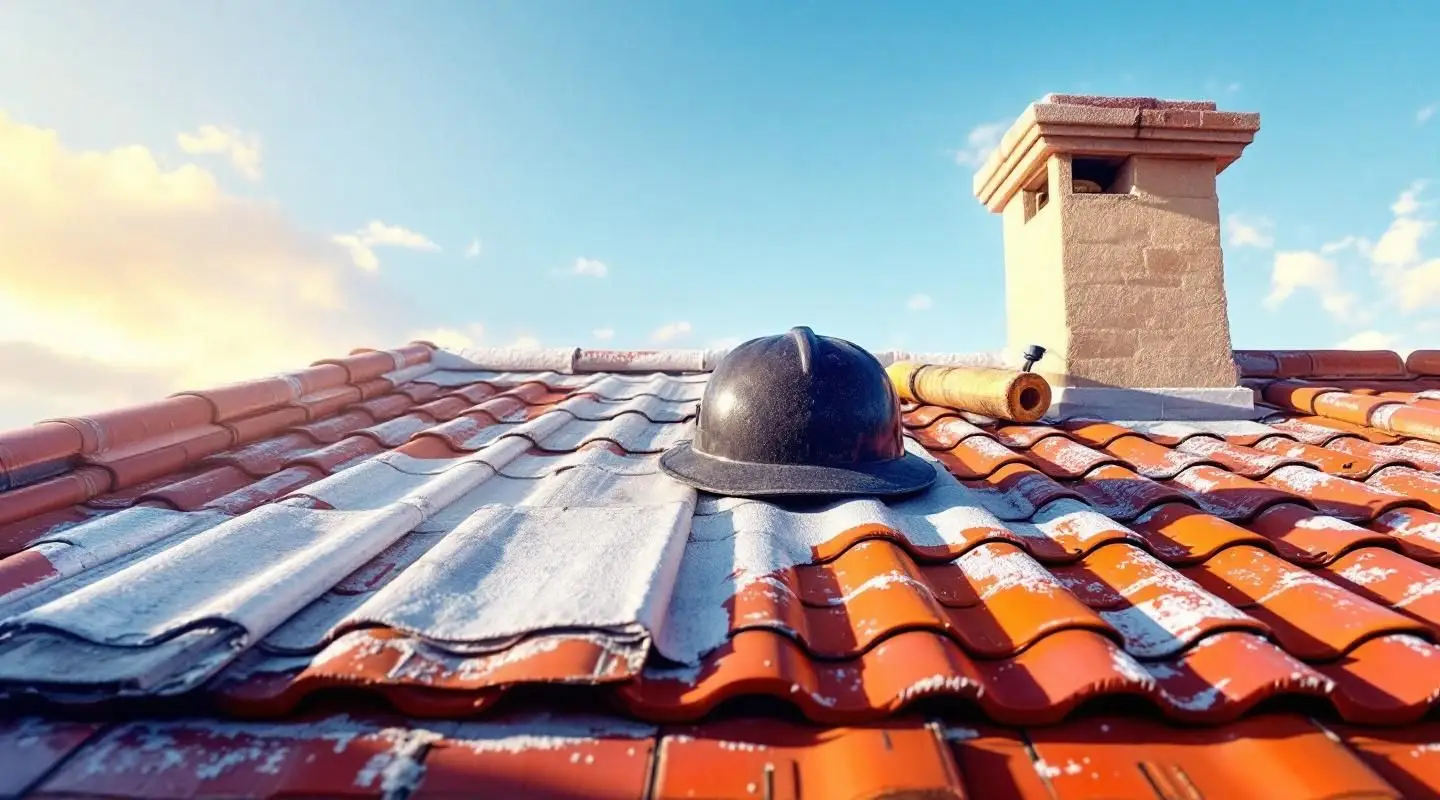
Commercial properties along the Wasatch Front demand roofing materials that deliver both commanding curb appeal and decades of uncompromising durability. Spanish tile roofing—whether you choose traditional clay tile roofing or modern concrete tile roofing—offers an architectural statement that synthetic alternatives simply cannot replicate. However, installing these heavy systems in Salt Lake City requires a deep understanding of local structural demands. You cannot simply throw tiles onto a standard roof deck without a precise tile weight load calculation and, frequently, targeted roof deck reinforcement to handle the massive dead weight and winter snow loads.
Our harsh Utah winters bring relentless freeze-thaw cycle resistance challenges that will quickly destroy poorly installed tile. At Blue Peak Roofing, our experienced technicians build these systems from the deck up, starting with a high-temperature self-adhering underlayment system designed to withstand our high-altitude UV exposure. We install a robust grid of battens and counter-battens to ensure proper drainage and tile roof ventilation. This dual-batten system prevents moisture from trapping behind the tiles, protecting your decking from rot during the spring snowmelt.
Whether your commercial property features a classic S-tile profile or a traditional mission tile profile, the success of the system hinges on the details. We pay meticulous attention to flashing at penetrations, particularly around heavy commercial HVAC curbs and parapet walls, where leaks most commonly develop. By using mortar-set ridge caps and premium mechanical fasteners, we ensure your roof remains secure against high canyon winds. If you are managing a historic restoration or planning a new low-slope tile installation, we coordinate the engineering reviews and city permits to keep your project fully compliant with local building codes.
Investing in a clay tile roofing or concrete tile roofing system for your commercial property along the Wasatch Front is a decision that pays dividends over decades. In Salt Lake City, our extreme seasonal shifts put immense stress on commercial roofs. Spanish tile naturally resists these swings. The built-in thermal pocket created by the S-tile profile or mission tile profile acts as a natural insulator. This pocket slows down heat transfer into your building during blistering July afternoons and keeps heat from escaping during freezing January nights. You will see the difference directly on your cooling and heating bills.
Durability is where this material outclasses temporary options like TPO or asphalt. High-quality tiles offer exceptional freeze-thaw cycle resistance, meaning they will not crack or delaminate when melted snow refreezes in the mountain air. However, a tile roof is only as good as what lies beneath it. Our experienced technicians install a high-temperature synthetic underlayment system over a robust grid of battens and counter-battens. This layout ensures that any moisture that gets past the tile drains away safely, protecting your roof deck reinforcement from rot. We also execute a precise tile weight load calculation before any materials arrive to ensure your building’s structure is fully prepared for the load.
Decade-Spanning Lifespan — Real clay tile roofing easily lasts 50 to 100 years, outliving multiple rounds of commercial TPO or shingle replacements.
Superior Thermal Performance — The natural air circulation beneath S-tile profile layouts keeps your building cooler and lowers summer HVAC strain.
Freeze-Thaw Resilience — Engineered concrete tile roofing stands up to Salt Lake City's winter frost cycles without cracking or losing structural strength.
Class A Fire Rating — Non-combustible clay and concrete tiles provide the highest level of fire protection for your commercial asset and tenants.
Low-Maintenance Design — Apart from inspecting flashing at penetrations and securing mortar-set ridge caps, these roofs require minimal ongoing upkeep.
Yes, but the material choice matters. For commercial properties along the Wasatch Front, we recommend concrete tile roofing or high-fired clay tile roofing with certified Class F freeze-thaw cycle resistance. These tiles do not absorb water, which prevents them from cracking when temperatures plummet. Additionally, we perform a precise tile weight load calculation on your roof deck reinforcement before starting. This ensures your structure easily handles both the heavy tiles and Salt Lake City’s winter snow loads. We install durable battens and counter-battens to allow proper drainage and airflow under the tiles. This system prevents ice dams from forming during freezing weather.
Absolutely. Because Spanish Tile Roofing is significantly heavier than TPO or asphalt shingles, Salt Lake City building departments require a structural engineer’s letter of approval before we can pull a commercial re-roofing permit. Our team at Blue Peak Roofing coordinates this process directly. We evaluate your existing roof deck reinforcement to see if it can support the dead load of clay or concrete tile. If your building requires structural modifications, we itemize those reinforcement costs clearly in our initial scope. This prevents any budget surprises mid-project. You can verify local licensing and building requirements through the Utah Division of Occupational and Professional Licensing to ensure your contractor is fully qualified for heavy-load installations.
The tiles themselves act as a protective shield, but the underlayment system is the actual waterproofing barrier. In Salt Lake City, our high-altitude UV index and intense summer heat will quickly bake and destroy standard organic felt. For long-lasting commercial Spanish Tile Roofing, we install a premium, high-temperature self-adhering synthetic underlayment. This material is rated to withstand temperatures up to 250 degrees without degrading or running. We lay this underlayment over the deck, sealing tightly around flashing at penetrations and HVAC curbs. This double-layer defense ensures that even if a tile cracks, your building remains completely dry for decades.
You do not need to replace the entire roof. Individual clay or concrete tiles can be extracted and replaced if they crack from physical impact or severe storms. We slide a specialized tile hook under the broken piece, remove the nail or clip, and slide a matching tile into place. The challenge is matching the manufacturer color blend. Over years of exposure to the Salt Lake City sun, tiles fade naturally. We recommend ordering a small surplus of tiles during your initial Spanish Tile Roofing installation. This ensures you have a perfect match for future repairs. We also inspect the mortar-set ridge caps during these repairs to ensure no water sneaks in through weathered joints.
Upfront, Spanish Tile Roofing costs more per square than TPO or standing seam metal. The investment pays off in lifespan. A TPO roof lasts 15 to 20 years. A properly installed clay tile roof easily lasts 75 to 100 years. This long lifecycle dramatically lowers your long-term cost of ownership. Tile also offers superior natural insulation. The air gap created by the S-tile profile or mission tile profile acts as a thermal barrier. This lowers your summer cooling bills. For a commercial property in Salt Lake City, tile provides an aesthetic and functional return on investment that flat roofing simply cannot match.
Installing a heavy clay or concrete tile roofing system on a commercial property is not a job for general builders. It is complex work. You need precise tile weight load calculation, structural deck reinforcement, and an underlayment system engineered for high-altitude UV exposure. If you want a roof built to last for generations, reach out to the experienced technicians at Blue Peak Roofing.
We do not guess at structural integrity. Our team walks you through every engineering approval and provides a clear, itemized scope for your Salt Lake City property. Let’s build a roof that stands up to the Wasatch Front’s harsh freeze-thaw cycles.
Installing a heavy clay tile roofing or concrete tile roofing system on a commercial facility requires specialized engineering knowledge that general contractors simply do not possess. At Blue Peak Roofing, we do not treat tile as an occasional architectural accent. We are fully licensed, locally owned, and deeply familiar with the structural demands of the Wasatch Front. Our team coordinates directly with structural engineers to perform precise tile weight load calculations, ensuring your building’s roof deck reinforcement is fully verified before a single tile is loaded.
Unlike national roofing chains that subcontract their labor to the lowest bidder, we use our own experienced technicians who are trained in specialized low-slope tile installation and complex flashing at penetrations. We strictly adhere to the Tile Roofing Institute guidelines, ensuring every mortar-set ridge cap and multi-layered underlayment system is built to survive Utah’s severe freeze-thaw cycles. When you partner with Blue Peak Roofing, you get direct communication with a dedicated commercial project manager, upfront pricing, and a clear, non-disruptive timeline designed to protect your tenants.
Choosing a clay tile roofing or concrete tile roofing system for your commercial property in Salt Lake City is a major financial decision. It is not just about the classic aesthetic of an S-tile profile or mission tile profile; it is about long-term structural survivability. Because of the sheer mass of these materials, a precise tile weight load calculation is the first non-negotiable step. Without a thorough roof deck reinforcement assessment, you risk structural deflection under heavy winter snows. We work closely with structural engineers to ensure your building’s framing is fully prepared before a single tile arrives on site.
Utah’s harsh mountain climate demands a roofing system built for extremes. Our winters subject commercial roofs to relentless freeze-thaw cycle resistance tests. If water gets trapped beneath the tiles, it expands, cracking the material and ruining your investment. This is why we install a multi-layered underlayment system using premium, high-temperature synthetic membranes that resist UV degradation. By laying down a grid of battens and counter-battens, we elevate the tiles to allow proper water drainage and continuous tile roof ventilation. This prevents moisture from pooling, even during rapid spring thaws.
The real difference between a tile roof that lasts seventy years and one that leaks in five lies in the execution of the details. Poorly sealed flashing at penetrations—especially around heavy commercial HVAC curbs and parapets—is the primary cause of premature failure. Our experienced technicians pay meticulous attention to these transition zones, using custom-fabricated metal flashing and durable mortar-set ridge caps to lock out wind-driven rain. We ensure every manufacturer color blend is laid out uniformly, protecting both your building’s structural health and its visual curb appeal.
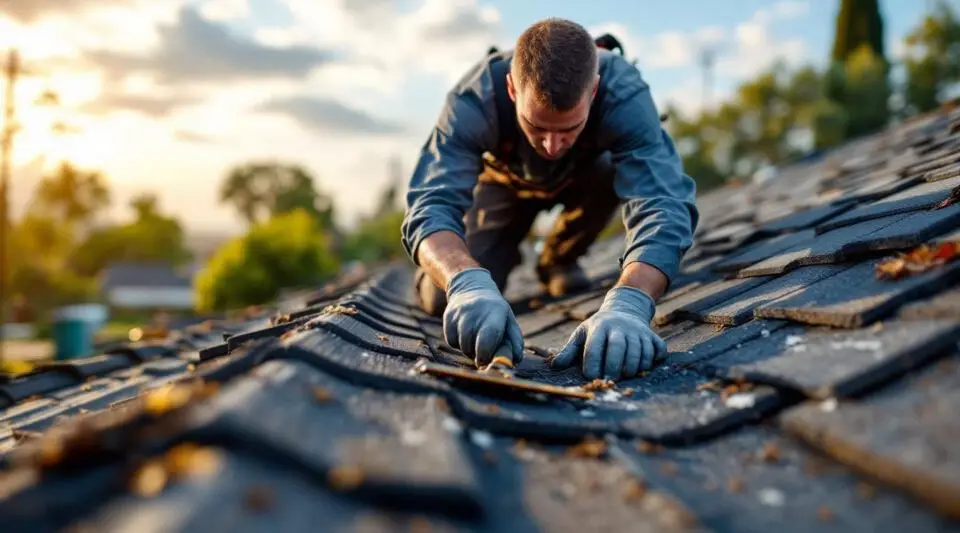
Commercial properties along the Wasatch Front face a brutal combination of weather extremes.
Learn more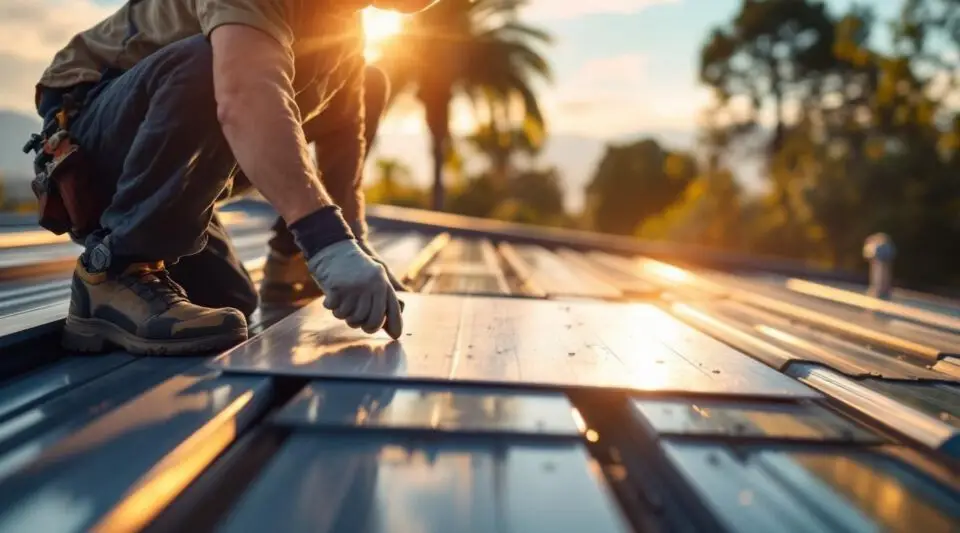
Commercial properties along the Wasatch Front face some of the most punishing weather cycles in the country.
Learn more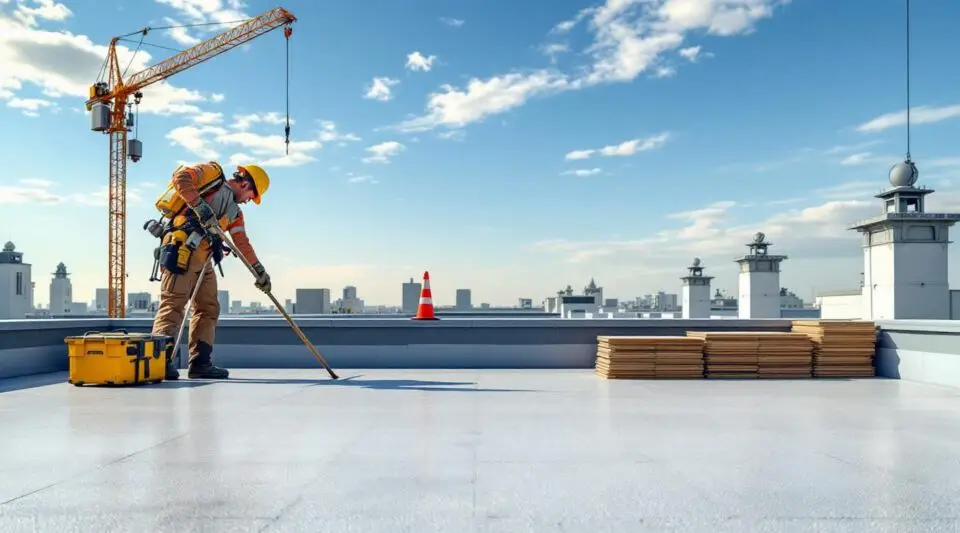
Commercial flat roofing along the Wasatch Front demands more than just a waterproof barrier; it requires a system engineered to survive intense high-altitude UV rays and dramatic seasonal temperature swings.
Learn more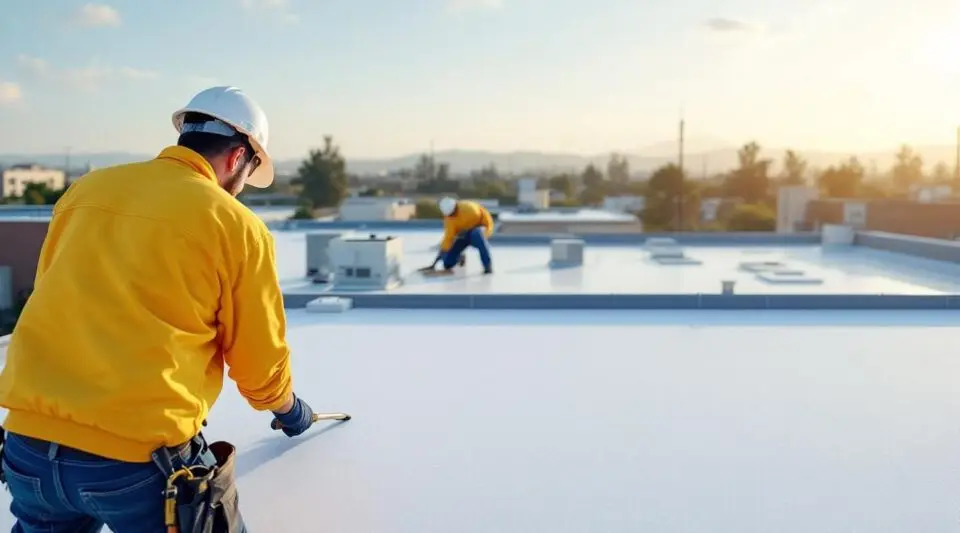
Managing a commercial property along the Wasatch Front means dealing with extreme weather shifts, from heavy winter snows to intense summer UV radiation.
Learn more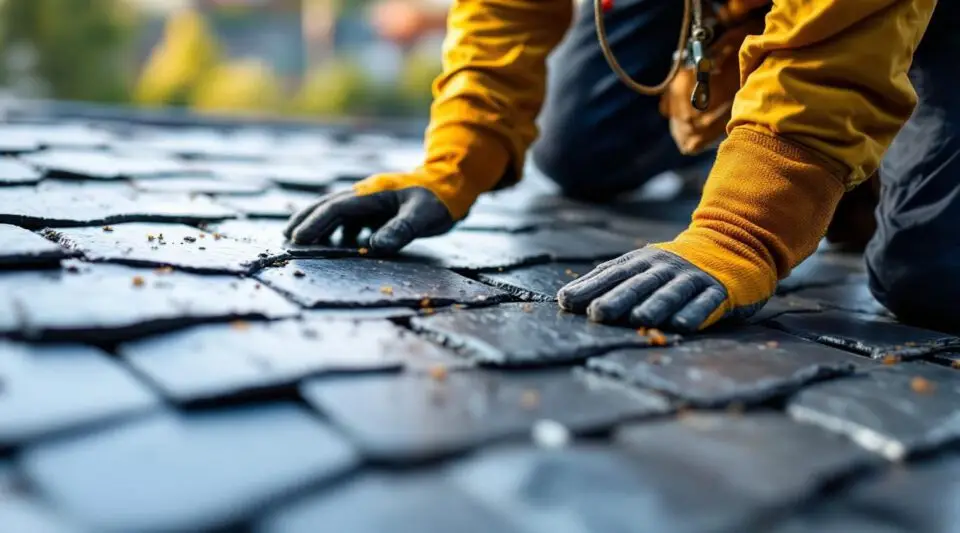
Commercial properties along the Wasatch Front face some of the most punishing climate extremes in the country.
Learn more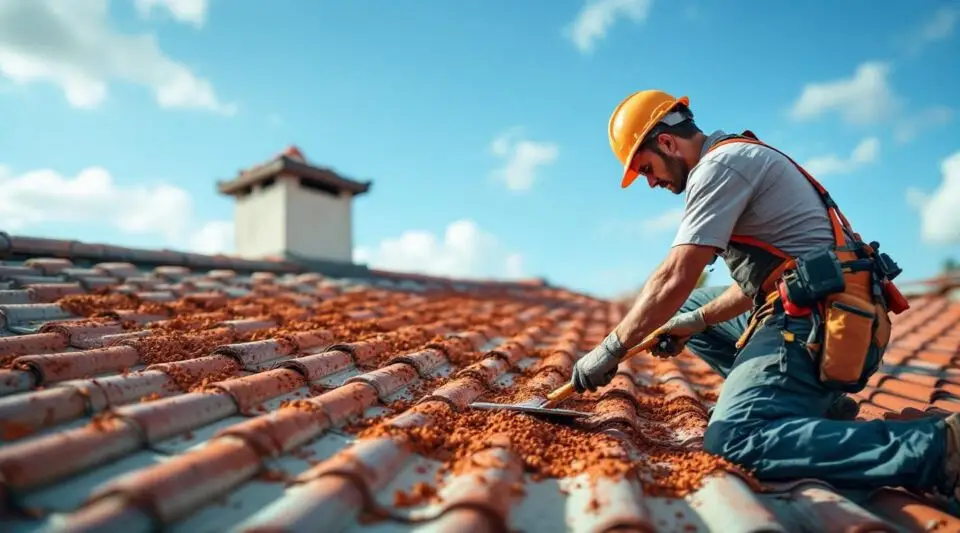
Commercial properties along the Wasatch Front face a brutal combination of intense high-altitude UV rays, heavy winter snows, and rapid temperature swings.
Learn more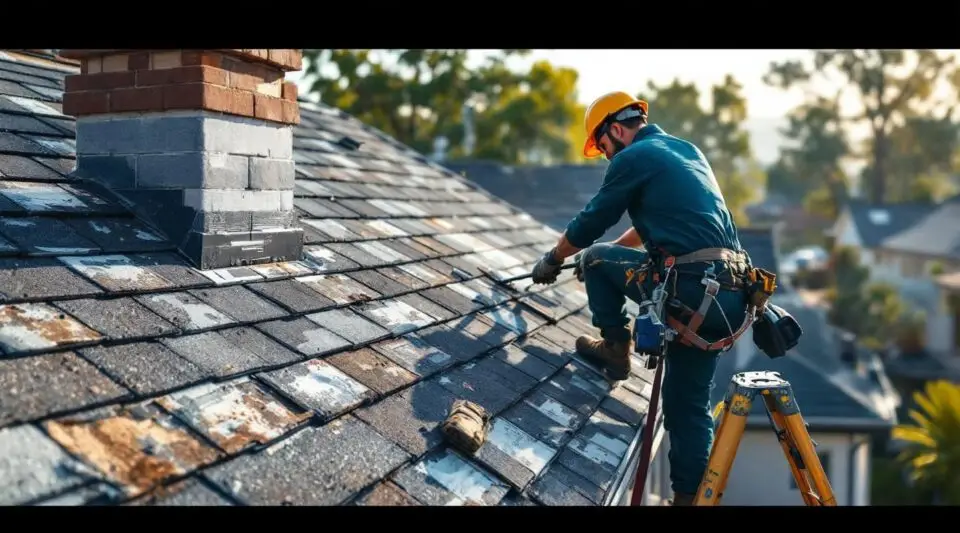
Managing a commercial facility along the Wasatch Front means dealing with extreme weather contrasts.
Learn more
A leaking flat roof on a commercial building isn't just a minor maintenance headache; it's a direct threat to your inventory, equipment, and daily business operations.
Learn more
Low-slope commercial roofing along the Wasatch Front demands a material that can handle extreme temperature swings, intense high-altitude UV rays, and heavy winter snow loads.
Learn more
At 4,300 feet along the Wasatch Front, your building's roof takes a brutal beating.
Learn moreWe had an issue with our roof leaking at the office, and they came in, replaced the shingles, and fixed the damage. Professional and reliable.
Beatrice Taylor
Santa Ana Roofing just put a new roof on our house. They gave a clear quote and a schedule that made sense. The workers worked hard every day and kept the job site clean. A professional put the roof on, and it looks great. Everything seemed easy and well-planned.
Anna Miller
We hired Santa Ana Roofing to fix our flat roof. They talked about the materials they used and made sure the sealing was done correctly. The process went well, and the results have stayed nice.
Linda Gregory
This roofing company went above and beyond what I expected. They employed high-quality materials, kept us updated on the project's progress, and finished ahead of schedule. The new roof looks great, and I trust the work they did.
Debbie Land
After getting a roof inspection, they recommended replacing the shingles. The job was done on time, and the new roof looks fantastic.
Angelia Eichelberger