- (385) 365-0370
- 1888 S Redwood Rd,, Salt Lake City, UT 84104

Low-slope commercial roofing along the Wasatch Front demands a material that can handle extreme temperature swings, intense high-altitude UV rays, and heavy winter snow loads. Ethylene propylene diene monomer, commonly known as EPDM, has been the workhorse of flat-roof protection for decades because it stretches and contracts without cracking. At Blue Peak Roofing, we install and repair these heavy-duty rubber systems to keep your facility dry and your operations running without interruption.
When planning a roof replacement, you face critical choices regarding membrane thickness 45 mil 60 mil and attachment methods. A fully adhered membrane offers exceptional wind uplift resistance by bonding directly to the roofing insulation board with heavy-duty adhesive. For larger warehouses where structural weight limits permit, a ballasted roofing system uses river stone to hold the single-ply membrane in place, reducing upfront labor costs. Our team helps you weigh these trade-offs honestly, ensuring your roof deck substrate is properly prepped and sloped before any rubber is laid.
We know that the biggest worry for facility managers isn’t the rubber itself, but the seams. Over time, seasonal expansion can stress the rubber roof seam tape and lap splice adhesive, leading to hidden leaks that rot insulation before showing up on your ceiling. That is why our team focuses heavily on detail work, reinforcing every parapet wall, drain, and penetration with commercial-grade flashing. Whether you need a targeted seam repair or a complete flat roof drainage overhaul, we deliver clean, documented work that keeps your investment secure.
Opting for a commercial rubber roof provides immediate operational benefits, starting with its exceptional ponding water tolerance. Flat roof drainage in the Salt Lake Valley is often tested by heavy spring snowmelt. Unlike other materials that degrade when water pools, a properly installed ethylene propylene diene monomer single-ply membrane shrugs off standing water without losing its physical integrity. Our high-altitude UV index also demands superior UV resistance rubber roofing, which this synthetic rubber delivers naturally over decades of exposure.
When you work with our team, we help you navigate the crucial choice of membrane thickness 45 mil 60 mil to match your building’s specific structural needs. We install these systems directly over a high-density roofing insulation board to ensure your building retains heat during brutal Utah winters. Whether your property requires a heavy ballasted roofing system to keep costs down or a fully adhered membrane to resist high winds along the Wasatch Front, we tailor the attachment method directly to your roof deck substrate.
This long-term durability means fewer emergency calls for leaks. You avoid the sudden, costly business disruptions that occur when a weak seam gives way. By using high-grade rubber roof seam tape and heavy-duty lap splice adhesive, we seal the system against the extreme temperature swings common in Salt Lake City.
EXTREME UV RESISTANCE — The synthetic rubber compound naturally deflects the intense high-altitude sunlight of the Wasatch Front.
PONDING WATER TOLERANCE — Flat roofs with slow drainage won't suffer membrane degradation or premature failure from standing snowmelt.
FLEXIBLE AT SUB-ZERO — The membrane remains highly elastic during freezing Salt Lake City winters, preventing cracks and splits.
EFFICIENT REPAIRS — If a puncture occurs, simple adhesive patches restore the watertight barrier without requiring a full tear-off.
CUSTOM THICKNESS OPTIONS — Choose between 45 mil and 60 mil membranes to balance your initial budget against long-term wear resistance.
Yes, ethylene propylene diene monomer is highly resilient, but Utah’s climate demands specific choices. Salt Lake City’s intense high-altitude UV index accelerates oxidation on older systems. To counter this, we recommend a membrane thickness of 60 mil over 45 mil for superior UV resistance on your EPDM Roofing system. Additionally, winter freeze-thaw cycles in Salt Lake City put immense stress on perimeter flashings. Our experienced technicians use heavy-duty lap splice adhesive and rubber roof seam tape to ensure the single-ply membrane remains completely watertight.
Commercial EPDM Roofing installation costs in Salt Lake City typically vary based on membrane thickness (45 mil vs 60 mil) and the attachment method. A ballasted roofing system is generally the most budget-friendly option but adds significant weight. If your roof deck substrate cannot support that dead load, we install a fully adhered membrane or a mechanically fastened EPDM system. Another major cost driver is the condition of the underlying roofing insulation board. To explore your options, you can browse our services or request a detailed, itemized bid.
Yes, commercial EPDM Roofing replacements and major structural repairs in Salt Lake City require a building permit. We manage the entire permitting process directly through Salt Lake City Building Services to ensure your project complies with local wind uplift and energy codes. Before hiring any commercial contractor, always verify their credentials. Our company maintains an active license with the Utah Division of Occupational and Professional Licensing, ensuring your installation meets all state regulations and safety standards.
EPDM Roofing has excellent ponding water tolerance compared to other materials, but standing water still places unnecessary stress on seams in our Salt Lake City climate. During our initial inspection, we evaluate your flat roof drainage. If we find low spots, we often install tapered roofing insulation board beneath the single-ply membrane to create a positive slope-to-drain. This prevents water from sitting on the rubber roof seam tape for extended periods, protecting the lap splice adhesive from premature breakdown and keeping your building dry.
In some cases, yes. Installing a new EPDM Roofing single-ply membrane over an existing built-up roof (BUR) is a viable way to reduce upfront labor and disposal fees for commercial properties in Salt Lake City. However, we must first perform a core moisture scan. If the existing roof deck substrate or insulation board has trapped moisture, an overlay will trap that water, leading to deck rot. If the substrate is dry and structurally sound, we can lay down a recovery board and install a fully adhered membrane safely.
Do not wait for a minor flat roof leak to become an expensive structural headache that disrupts your daily business operations. Whether your building needs a completely new fully adhered membrane or you simply want to address a few failing seams before the winter freeze, our team is ready to inspect your roof deck substrate and provide a clear, honest assessment.
We handle everything from pulling state-required permits with Salt Lake City Building Services to executing complete commercial installations. Contact our crew today to schedule a comprehensive roof condition assessment and keep your flat roof drainage running exactly as it should.
Commercial roofing along the Wasatch Front demands more than a generic approach. At Blue Peak Roofing, we do not treat your facility like a residential shingle project or hand it off to subcontractors who lack low-slope commercial roofing expertise. Our crew brings years of hands-on experience working with ethylene propylene diene monomer systems, ensuring every fully adhered membrane or mechanically fastened EPDM layout is executed to exact manufacturer standards. We are a locally owned business holding a valid Utah DOPL roofing contractor license, meaning we pull our own permits and stand behind every single-ply membrane we install.
Unlike national chains that fly crews in and out, we live and work in Salt Lake City. We understand how the high-altitude UV index degrades older rubber roofing and why Utah’s intense freeze-thaw cycles stress critical flashing details and termination bars. That is why our experienced technicians prioritize robust membrane thickness (recommending 60 mil over standard 45 mil for long-term durability) and use premium lap splice adhesive and rubber roof seam tape. We do not cut corners with cheap materials that fail when winter snowmelt tests your flat roof drainage.
When you choose Blue Peak Roofing, you get transparent, itemized bids that break down everything from the roofing insulation board condition to the specific attachment method. Whether we are executing a complex new installation or a targeted repair, we minimize business disruption to keep your operations running smoothly.
Ignoring flat roof issues on a commercial building is a recipe for catastrophic structural damage, especially under the weight of heavy Utah winters. When you manage a commercial property in Salt Lake City, your roof deck substrate is constantly fighting a battle against extreme temperature swings. A single-ply membrane made of ethylene propylene diene monomer is incredibly resilient, but it is not self-healing. If you let minor seam separations go unnoticed, spring snowmelt will find those pathways, soaking your roofing insulation board and rotting the deck beneath long before you ever see a drip on your warehouse floor.
The high-altitude UV index along the Wasatch Front acts like an oven, baking older roofs and causing membrane shrinkage. Choosing the right membrane thickness 45 mil 60 mil is your first line of defense, but how that material is secured matters just as much. While a ballasted roofing system is cost-effective, taller buildings exposed to high canyon winds often require a fully adhered membrane or a mechanically fastened EPDM system to prevent catastrophic wind uplift. This is where the long-term UV resistance rubber roofing provides becomes invaluable, but only if the seams are secure. If your current contractor didn’t use the correct lap splice adhesive or high-grade rubber roof seam tape during the initial build, those joints will pull apart under thermal stress, destroying your flat roof drainage efficiency on low-slope commercial roofing.
We believe in transparency when it comes to the repair-versus-replace decision. You shouldn’t have to guess whether a few patches will hold or if you need a full tear-off. Our experienced technicians use core testing and physical probes to verify the dry state of your roofing insulation board before recommending any major work. By addressing ponding water tolerance issues and securing perimeter flashings early, you avoid the massive capital expenditure of premature replacement and keep your business running without disruption. Explore our service options to see how we safeguard local commercial properties.
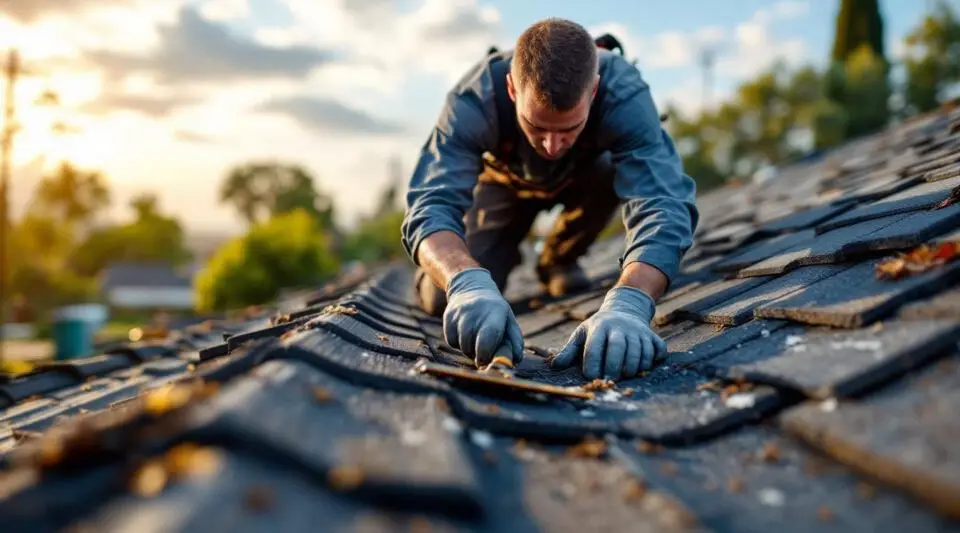
Commercial properties along the Wasatch Front face a brutal combination of weather extremes.
Learn more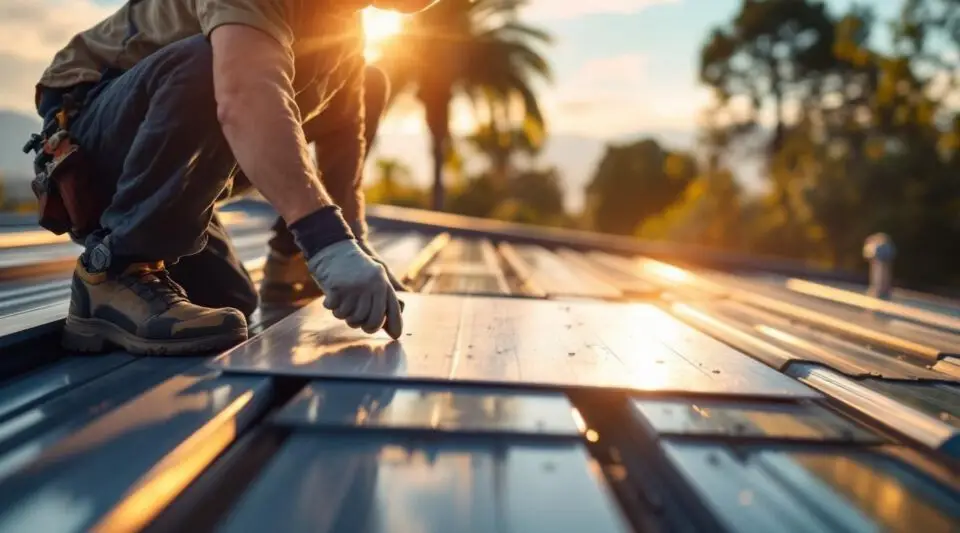
Commercial properties along the Wasatch Front face some of the most punishing weather cycles in the country.
Learn more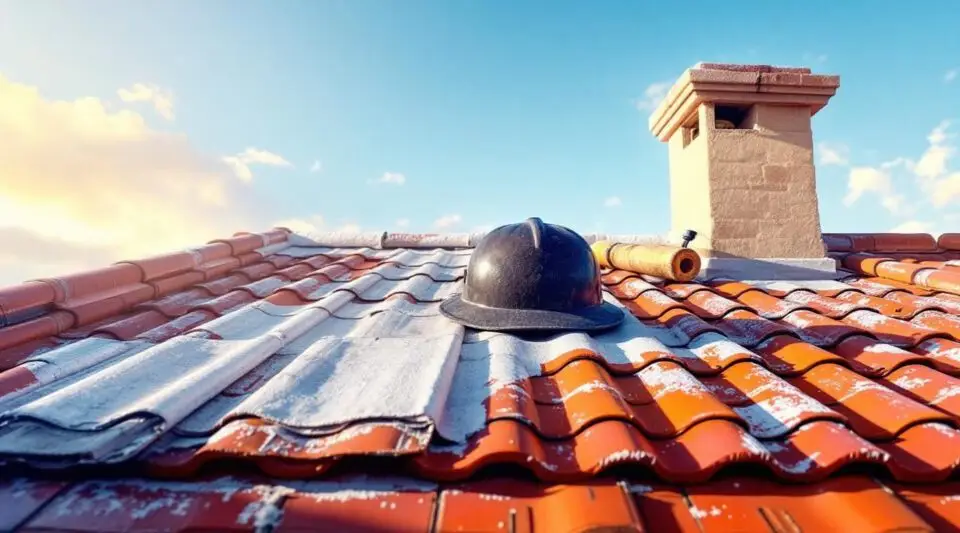
Commercial properties along the Wasatch Front demand roofing materials that deliver both commanding curb appeal and decades of uncompromising durability.
Learn more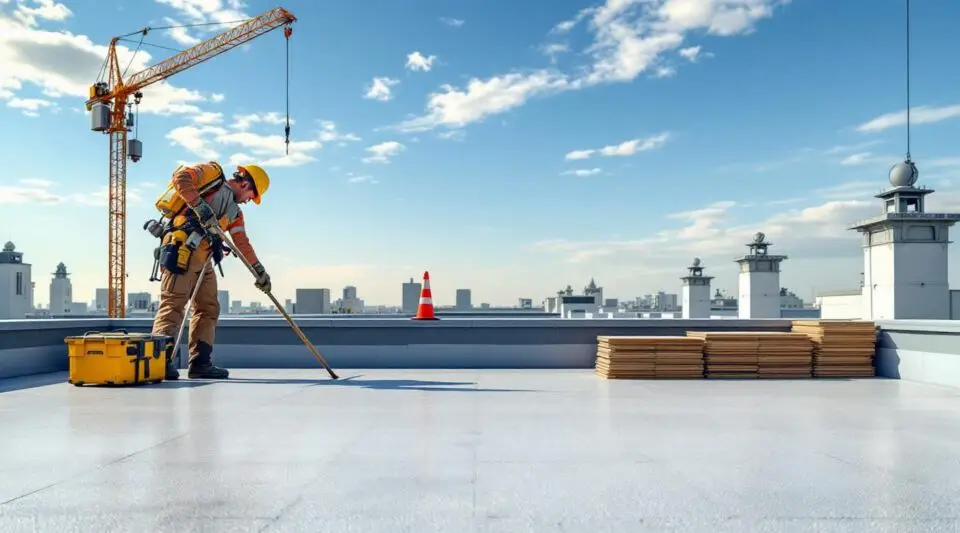
Commercial flat roofing along the Wasatch Front demands more than just a waterproof barrier; it requires a system engineered to survive intense high-altitude UV rays and dramatic seasonal temperature swings.
Learn more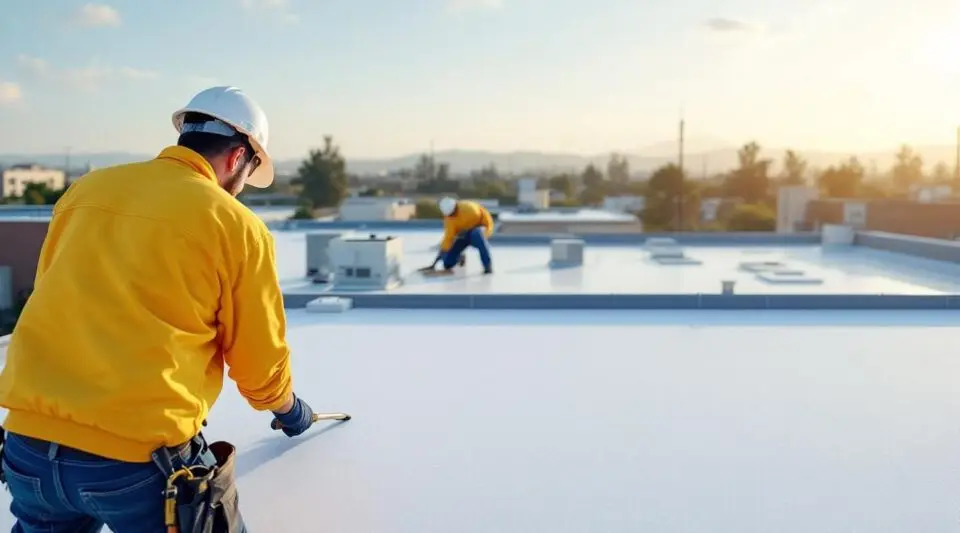
Managing a commercial property along the Wasatch Front means dealing with extreme weather shifts, from heavy winter snows to intense summer UV radiation.
Learn more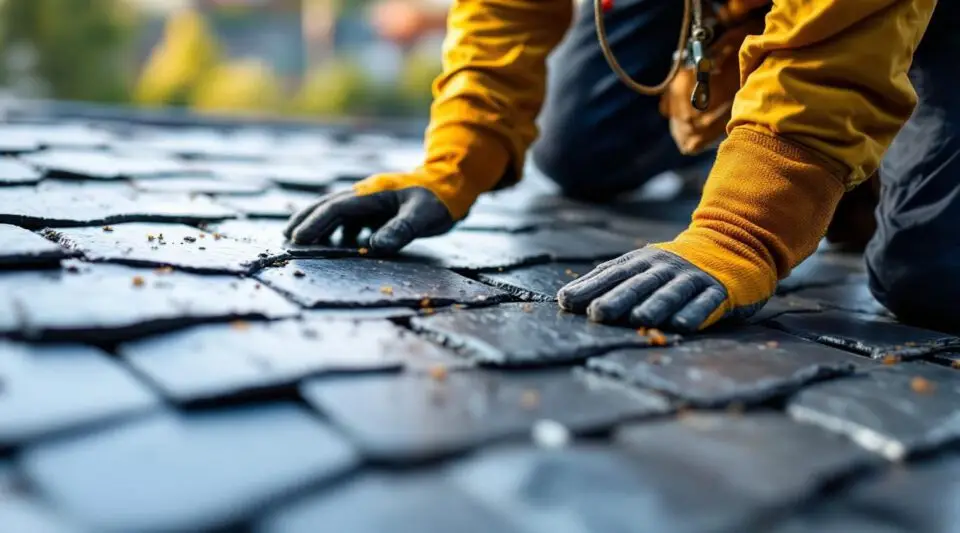
Commercial properties along the Wasatch Front face some of the most punishing climate extremes in the country.
Learn more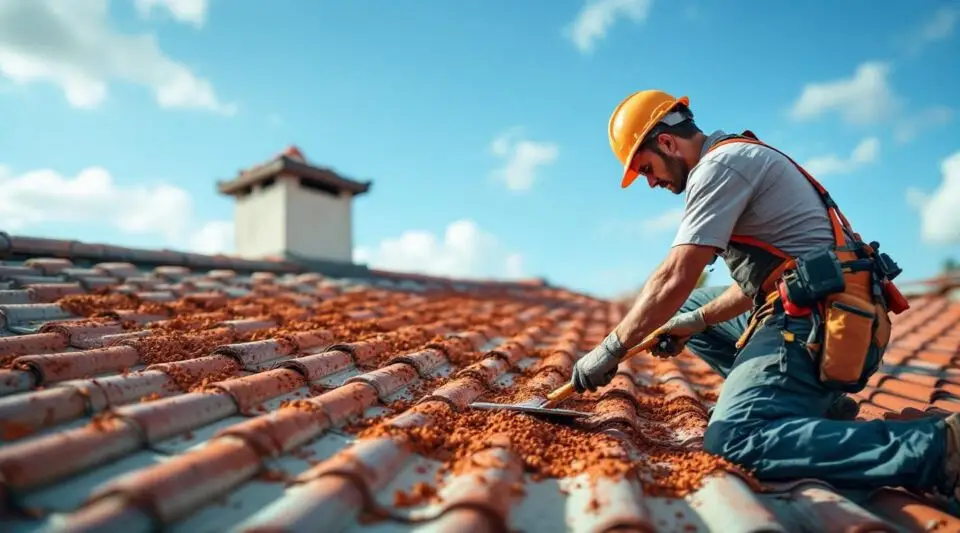
Commercial properties along the Wasatch Front face a brutal combination of intense high-altitude UV rays, heavy winter snows, and rapid temperature swings.
Learn more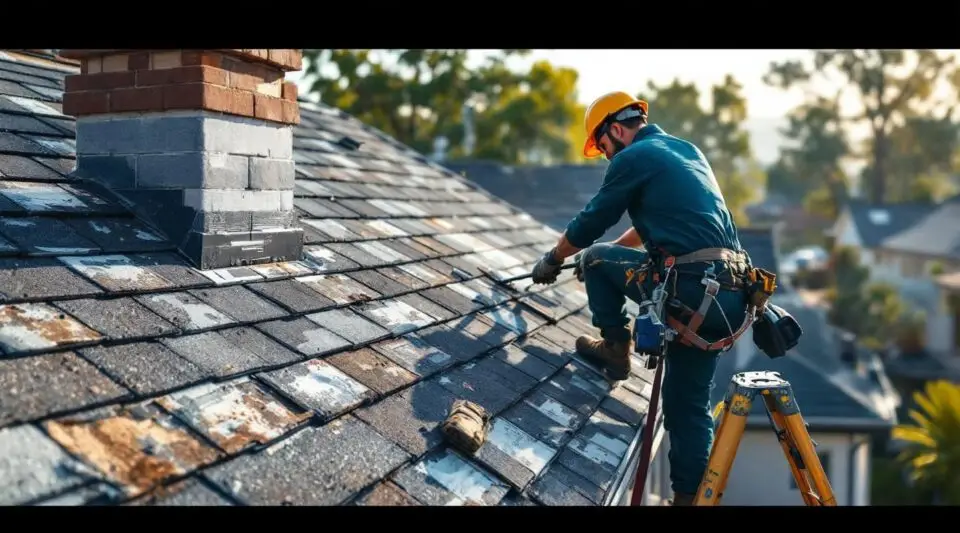
Managing a commercial facility along the Wasatch Front means dealing with extreme weather contrasts.
Learn more
A leaking flat roof on a commercial building isn't just a minor maintenance headache; it's a direct threat to your inventory, equipment, and daily business operations.
Learn more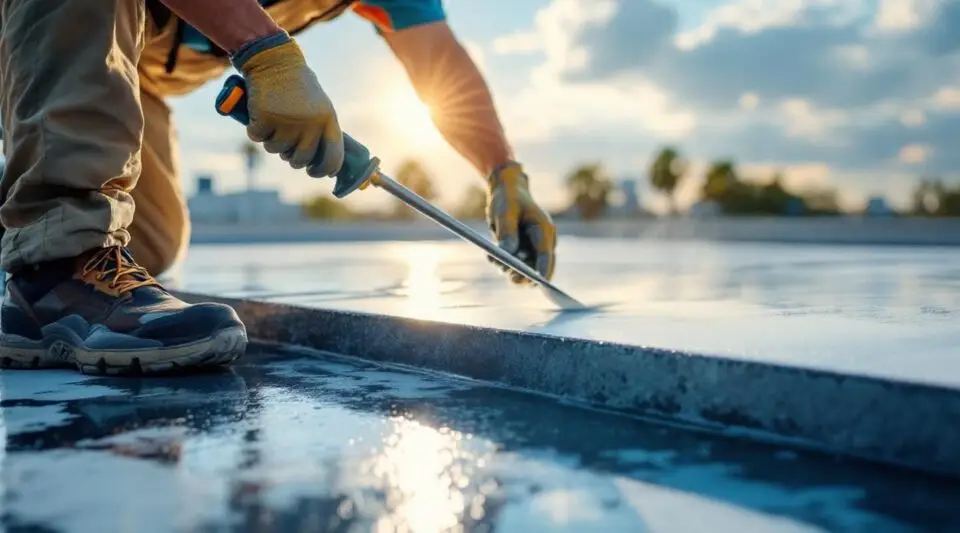
At 4,300 feet along the Wasatch Front, your building's roof takes a brutal beating.
Learn moreAfter getting a roof inspection, they recommended replacing the shingles. The job was done on time, and the new roof looks fantastic.
Angelia Eichelberger
Santa Ana Roofing just put a new roof on our house. They gave a clear quote and a schedule that made sense. The workers worked hard every day and kept the job site clean. A professional put the roof on, and it looks great. Everything seemed easy and well-planned.
Anna Miller
We hired Santa Ana Roofing to fix our flat roof. They talked about the materials they used and made sure the sealing was done correctly. The process went well, and the results have stayed nice.
Linda Gregory
We had an issue with our roof leaking at the office, and they came in, replaced the shingles, and fixed the damage. Professional and reliable.
Beatrice Taylor
This roofing company went above and beyond what I expected. They employed high-quality materials, kept us updated on the project's progress, and finished ahead of schedule. The new roof looks great, and I trust the work they did.
Debbie Land